
News/Blogs
How Multi-Channel Payments Improve Customer Experience
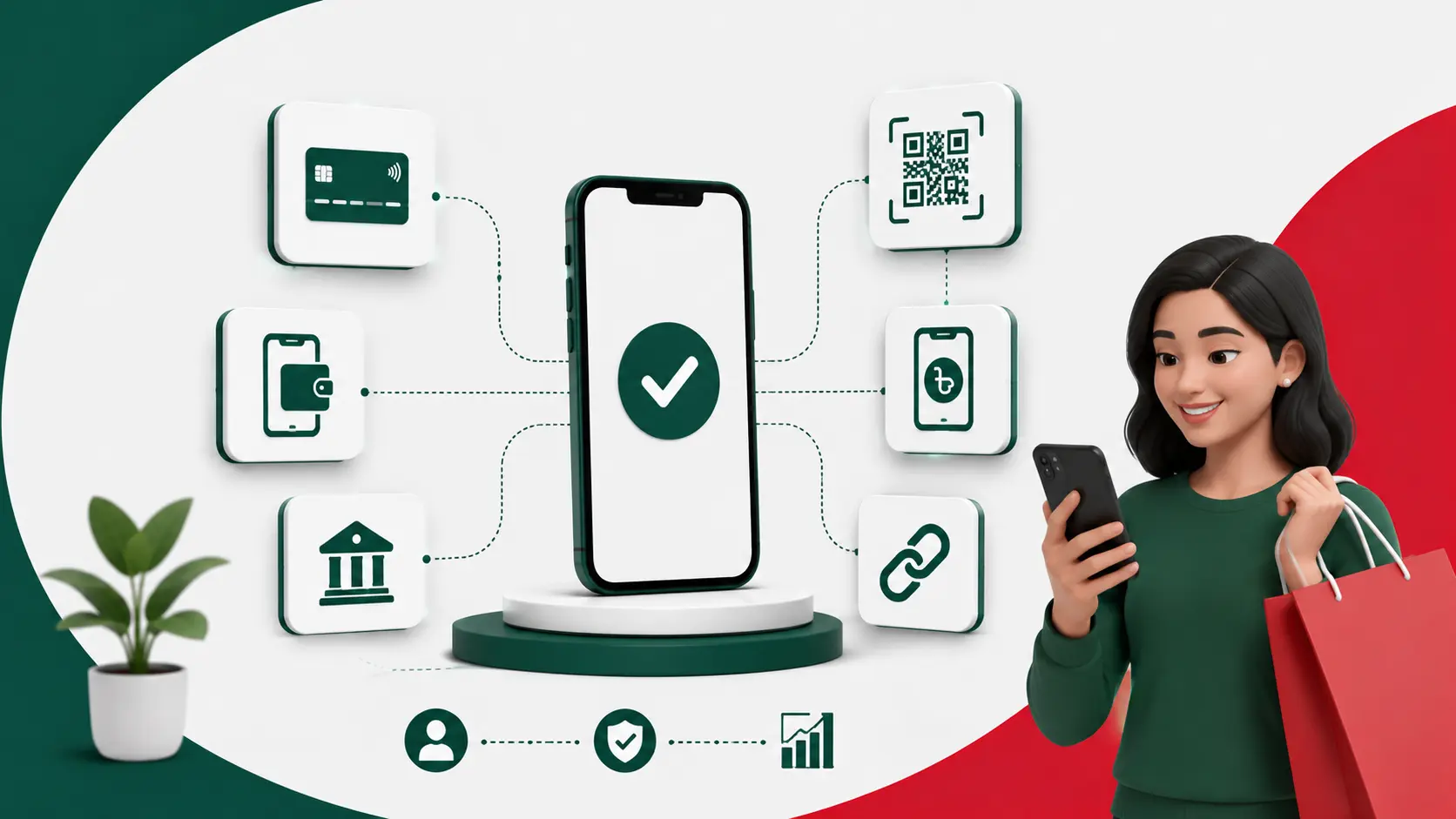
Customers want to pay in the way that feels easiest for them. Some prefer cards, while others use mobile wallets, bank transfers, QR payments, or payment links. When a business supports several payment options, customers have fewer reasons to leave a purchase unfinished. A reliable online payment gateway in Bangladesh can bring these options together and give businesses a single payment environment to manage transactions.
The payment experience is now part of the overall customer experience. A...
...
See More →
<p>Customers want to pay in the way that feels easiest for them. Some prefer cards, while others use mobile wallets, bank transfers, QR payments, or payment links. When a business supports several payment options, customers have fewer reasons to leave a purchase unfinished. A reliable online payment gateway in Bangladesh can bring these options together and give businesses a single payment environment to manage transactions.<br />
The payment experience is now part of the overall customer experience. A customer may find a product, complete an order through a website, receive an invoice by email, and pay from a mobile phone. If the payment process forces the customer into an unfamiliar method, the purchase can quickly become inconvenient. Working with a suitable payment gateway company in Bangladesh can help businesses offer payment choices that match different customer preferences.<br />
For businesses serving customers through websites, social media, physical outlets, mobile applications, and sales teams, payment flexibility can make a noticeable difference. A customer should not have to change their preferred payment method simply because the sales channel has changed.<br />
What Are Multi-Channel Payments?<br />
Multi-channel payments allow a business to collect money through several payment methods and customer touchpoints.<br />
These can include:<br />
Debit and credit cards<br />
Mobile financial services<br />
Bank transfers<br />
QR payments<br />
Payment links<br />
Website checkout<br />
Mobile applications<br />
Social commerce<br />
Physical store payments<br />
Recurring payment arrangements<br />
Instead of depending on one payment method, businesses can provide several choices based on the customer, transaction type, and sales channel.<br />
For example, an online retailer may accept card payments through its website while also providing a payment link through Messenger or WhatsApp. A physical store may accept QR payments at the counter, while its sales team can send payment links to customers who want to pay remotely.<br />
This approach gives customers more control over how they complete a purchase.<br />
Why Payment Choice Matters to Customers<br />
Payment preferences differ from one customer to another. Age, location, device, transaction size, trust, and personal habits can all influence the preferred payment method.<br />
A customer who regularly uses a mobile wallet may not want to enter card details. Another customer may prefer a bank transfer for a large purchase. Someone buying through social media may find a payment link more convenient than visiting a website.<br />
Research across digital commerce frequently shows that payment friction can influence checkout completion. For a business processing 10,000 monthly checkout attempts, even a 2% improvement in completed payments would represent about 200 additional transactions. The actual result depends on the business, customer base, pricing, and checkout experience, but the example shows why payment choice deserves attention.<br />
How Multi-Channel Payments Improve Customer Experience<br />
1. Customers Get More Payment Choice<br />
The most direct benefit is freedom of choice.<br />
A business offering several online payment methods in Bangladesh can serve customers with different preferences instead of expecting everyone to use the same channel.<br />
For example, a customer may choose:<br />
Card for an online purchase<br />
Mobile wallet for a quick transaction<br />
Bank transfer for a higher-value order<br />
QR code for an in-store purchase<br />
Payment link for an invoice or remote sale<br />
More options can reduce the number of customers who stop at checkout because their preferred method is unavailable.<br />
2. Checkout Becomes More Convenient<br />
Customers value simple payment experiences. If they can choose a familiar method without unnecessary steps, the transaction can feel easier.<br />
Consider a customer ordering through social media. Sending a payment link directly through the conversation can remove several steps from the process. The customer does not necessarily need to search for a website, create another account, or manually communicate transaction details.<br />
For businesses, this can make payment collection more practical across different sales situations.<br />
3. Customers Can Pay Through Their Preferred Device<br />
Mobile phones play a major role in digital transactions. Many customers research products, communicate with sellers, and complete purchases from smartphones.<br />
A mobile-friendly payment experience means customers can complete a transaction without moving to another device.<br />
For example, a customer receiving an invoice by email can open the payment page from a smartphone and complete the transaction immediately. A customer speaking with a sales representative can receive a payment link and pay from the same device.<br />
This reduces interruptions during the buying process.<br />
4. Payment Links Make Remote Sales Easier<br />
Not every purchase starts on a website.<br />
Consultants, service providers, retailers, educational institutions, clinics, and other businesses may receive orders through phone calls, social media, email, or messaging platforms.<br />
Payment links can connect these conversations with digital payment collection.<br />
A salesperson can confirm an order, generate a payment request, and send it directly to the customer. The customer then opens the link and completes the payment using an available option.<br />
This is particularly useful when customers do not want to visit a physical location or go through a lengthy checkout process.<br />
5. QR Payments Can Improve Physical Checkout<br />
QR payments can be useful in stores, restaurants, events, clinics, and other locations where customers need to pay quickly.<br />
A visible QR code can allow customers to scan and continue with a supported payment application. This can reduce dependence on cash and give customers another way to complete purchases.<br />
For a busy retail counter, even small reductions in payment time can matter. If a payment process takes 20 seconds less per customer and a store handles 300 transactions during a busy day, that represents roughly 100 minutes of saved customer-facing time.<br />
The actual benefit will vary by transaction type and store setup, but the principle remains useful: quicker payment can reduce queues and improve the buying experience.<br />
Multi-Channel Payments and Failed Transactions<br />
Payment failures can create frustration, especially when customers do not understand why a transaction was declined.<br />
A business that supports several payment channels gives customers another option when one method is unavailable.<br />
For instance, if a card transaction does not go through, the customer may be able to use a bank account or mobile wallet. This does not eliminate payment failures, but it can give customers another path to complete the purchase.<br />
Businesses should still monitor failure reasons, declined transactions, timeout issues, incorrect information, and other payment problems.<br />
Better Payment Experiences Can Support Repeat Purchases<br />
Customer experience does not end after the first transaction.<br />
If customers remember a checkout process as simple and convenient, they may be more comfortable purchasing again. This is particularly relevant for businesses with frequent transactions, such as retailers, restaurants, subscription services, educational institutions, and online sellers.<br />
A business using a suitable payment gateway service provider in Bangladesh can review transaction information across supported channels and identify which payment options customers use most frequently.<br />
This information can help businesses decide which methods deserve greater visibility at checkout.<br />
Supporting Different Types of Customers<br />
Multi-channel payment systems can be useful for businesses serving customers with different needs.<br />
A younger customer may prefer mobile-based payments. A corporate buyer may prefer bank transfers. A local customer may use a mobile wallet, while an overseas customer may need another payment route.<br />
This becomes even more relevant for businesses accepting payments from outside the country. An international payment gateway in Bangladesh can support businesses that serve customers across borders, subject to the applicable payment, banking, foreign exchange, and regulatory requirements.<br />
The goal is not to offer every possible payment method without reason. The goal is to provide the methods that make sense for the business and its customers.<br />
What Businesses Should Consider Before Adding Multiple Channels<br />
Adding payment methods should be based on customer behavior rather than simply increasing the number of options.<br />
Businesses should review:<br />
Customer Preferences<br />
Check which payment methods customers already request or use.<br />
Transaction Security<br />
Payment channels should include suitable authentication, transaction monitoring, and security controls.<br />
Mobile Experience<br />
Every payment option should work properly on smartphones since many transactions begin or finish on mobile devices.<br />
Reporting<br />
Businesses need clear transaction records so finance teams can reconcile payments across channels.<br />
Integration<br />
Payment channels should work with the company's website, applications, accounting tools, POS systems, or other relevant software where required.<br />
Customer Support<br />
Customers should have a clear process for handling failed, pending, refunded, or disputed transactions.<br />
Choosing the Right Payment Partner<br />
A payment provider should be assessed based on more than the number of payment options it offers.<br />
Businesses should look at transaction support, integration options, reporting, settlement procedures, security practices, customer support, pricing, and the payment methods relevant to their target audience.<br />
For businesses comparing providers, the best payment gateway Bangladesh option is not necessarily the provider with the largest feature list. The better choice is the one that fits the company's transaction volume, customer base, sales channels, and operational requirements.<br />
Pricing also deserves careful review. Businesses should understand transaction charges, settlement fees, refund-related costs, integration expenses, and any other applicable charges before making a decision.<br />
How EPS Supports Multi-Channel Payment Needs<br />
For businesses looking for a central payment setup, EPS Bangladesh provides payment services designed for different business and industry requirements. A business can assess its preferred channels, customer payment habits, and operational needs before selecting the appropriate setup.<br />
An easy payment system in Bangladesh should make payment collection convenient for customers while giving businesses clear visibility over transactions. The right combination of payment channels can support online sales, physical transactions, remote collections, invoices, and other business payment situations.<br />
Final Thoughts<br />
Multi-channel payments are not simply about giving customers more buttons to choose from. They are about removing unnecessary barriers between a customer and a completed transaction.<br />
A customer may want to pay through a mobile wallet today, a QR code tomorrow, and a card during another purchase. Businesses that recognize these differences can create a payment experience that fits real customer behavior.<br />
The strongest approach is to identify the channels customers actually use, provide a clear checkout experience, maintain proper transaction records, and work with a payment partner that supports the required payment environment.<br />
When payment becomes easier to access, easier to understand, and easier to complete, the customer journey becomes more comfortable from checkout to final confirmation.</p>
See less
Posted on August 09, 2026
Bangla QR Payments vs POS Machines: Which Is Better for Modern Businesses?
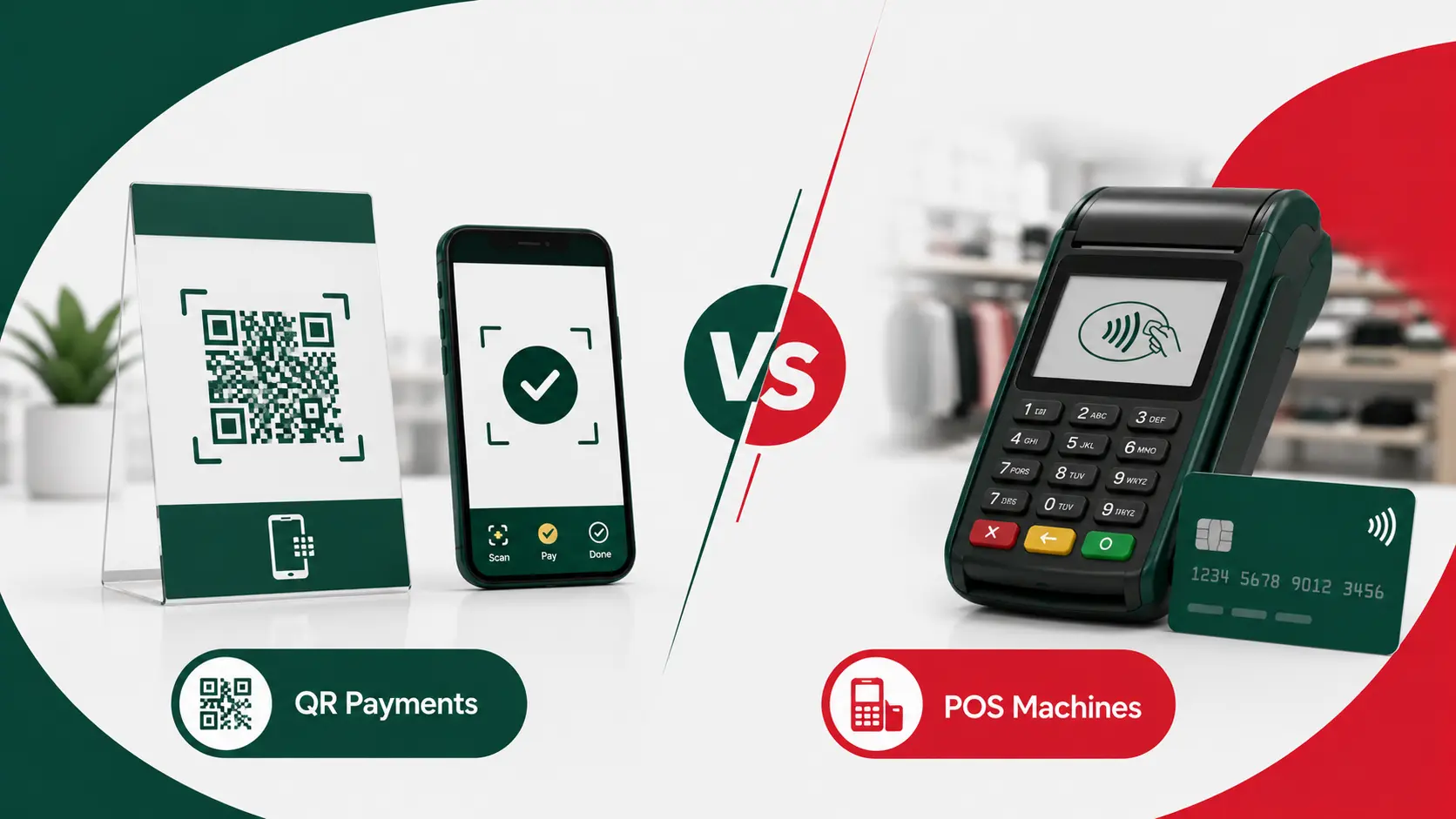
Businesses have more choices than ever when it comes to accepting digital payments. Customers expect quick transactions, multiple payment options, and a smooth checkout experience whether they shop in a retail store, restaurant, pharmacy, or service center. As payment technology continues to grow, many business owners ask the same question: Should I use Bangla QR payments or invest in a POS machine?
If you are planning to improve your payment collection process, selecting the right Bangla QR&...
...
See More →
<p>Businesses have more choices than ever when it comes to accepting digital payments. Customers expect quick transactions, multiple payment options, and a smooth checkout experience whether they shop in a retail store, restaurant, pharmacy, or service center. As payment technology continues to grow, many business owners ask the same question: Should I use Bangla QR payments or invest in a POS machine?</p>
<p>If you are planning to improve your payment collection process, selecting the right <a href="https://eps.com.bd/">Bangla QR payment gateway solution in Bangladesh</a> can help you support both customer convenience and business operations. Businesses often compare QR codes and POS terminals before making that decision.</p>
<p>Another factor worth considering is the experience of working with a reliable payment gateway company in Bangladesh. A trusted provider helps businesses choose payment tools that fit their industry, customer behavior, and transaction volume rather than offering a one-size-fits-all approach.</p>
<p>The truth is that neither option is universally better. Each has strengths depending on the type of business, customer expectations, operating costs, and payment volume. This article explains how both systems work, where each performs best, and how businesses can decide which solution matches their needs.</p>
<h2><strong>Understanding Bangla QR Payments</strong></h2>
<p>Bangla QR payment technology allows customers to complete transactions by scanning a QR code using a mobile banking application, digital wallet, or banking app.</p>
<p>The process is simple:</p>
<ul>
<li>Customer scans the QR code</li>
<li>Payment amount is entered or prefilled</li>
<li>Customer confirms payment</li>
<li>Merchant receives confirmation</li>
<li>Transaction is recorded instantly</li>
</ul>
<p>Many retailers now display QR codes beside the cash counter, reducing dependency on cash handling.</p>
<p> </p>
<h2><strong>Understanding POS Machines</strong></h2>
<p>POS (Point of Sale) machines accept payments through debit cards, credit cards, NFC-enabled cards, and mobile wallets.</p>
<p>A POS terminal generally includes:</p>
<ul>
<li>Card reader</li>
<li>PIN keypad</li>
<li>Receipt generation</li>
<li>Transaction management</li>
<li>Settlement reporting</li>
</ul>
<p>POS machines have become standard equipment in supermarkets, restaurants, hotels, pharmacies, and large retail chains.</p>
<p> </p>
<h2><strong>Why Digital Payments Continue to Grow?</strong></h2>
<p>According to industry estimates, worldwide digital payment transactions continue growing every year, with annual increases of approximately 15–20% across many emerging markets. Bangladesh has also experienced rapid adoption of mobile financial services and digital banking, making electronic payments a common choice for businesses of every size.</p>
<p>Consumers increasingly expect businesses to provide several payment choices instead of relying only on cash.</p>
<p> </p>
<h2><strong>QR Payments: Advantages</strong></h2>
<h3><strong>Lower Initial Cost</strong></h3>
<p>One of the biggest advantages of QR payments is affordability.</p>
<p>Businesses usually need:</p>
<ul>
<li>Printed QR stand</li>
<li>Mobile phone</li>
<li>Internet connection</li>
</ul>
<p>There is little hardware investment compared to traditional payment terminals.</p>
<p> </p>
<h3><strong>Faster Setup</strong></h3>
<p>A merchant can begin accepting payments shortly after account approval.</p>
<p>No complicated hardware installation is usually required.</p>
<p>This makes QR payments attractive for:</p>
<ul>
<li>Small retailers</li>
<li>Cafes</li>
<li>Pharmacies</li>
<li>Freelancers</li>
<li>Clinics</li>
<li>Food delivery businesses</li>
</ul>
<p> </p>
<h3><strong>Better Customer Convenience</strong></h3>
<p>Most customers already use:</p>
<ul>
<li>Mobile banking apps</li>
<li>Digital wallets</li>
<li>Banking applications</li>
</ul>
<p>Scanning a QR code often takes only a few seconds.</p>
<p> </p>
<h3><strong>Easy Expansion</strong></h3>
<p>Businesses opening new branches can place QR stands immediately without purchasing additional payment terminals.</p>
<p>This reduces deployment time.</p>
<p><br />
<br />
<br />
<br />
</p>
<h2><strong>POS Machines: Advantages</strong></h2>
<h3><strong>Supports Card Payments</strong></h3>
<p>Many customers still prefer paying through:</p>
<ul>
<li>Debit cards</li>
<li>Credit cards</li>
<li>Corporate cards</li>
</ul>
<p>POS terminals are designed specifically for card acceptance.</p>
<p> </p>
<h3><strong>Suitable for High Transaction Volume</strong></h3>
<p>Large supermarkets may process hundreds of transactions every hour.</p>
<p>POS terminals provide:</p>
<ul>
<li>Fast authorization</li>
<li>Printed receipts</li>
<li>Stable transaction flow</li>
</ul>
<p>This is useful during busy shopping periods.</p>
<p> </p>
<h3><strong>Professional Checkout Experience</strong></h3>
<p>Customers often associate POS terminals with organized payment counters.</p>
<p>Businesses also benefit from:</p>
<ul>
<li>Staff accountability</li>
<li>Sales records</li>
<li>Better transaction history</li>
</ul>
<p><br />
<br />
</p>
<h2><strong>Comparing QR Payments and POS Machines</strong></h2>
<table cellspacing="0" style="border-collapse:collapse; width:483px">
<tbody>
<tr>
<td style="vertical-align:top; width:173px">
<p><strong>Feature</strong></p>
</td>
<td style="vertical-align:top; width:155px">
<p><strong>QR Payments</strong></p>
</td>
<td style="vertical-align:top; width:155px">
<p><strong>POS Machine</strong></p>
</td>
</tr>
<tr>
<td style="vertical-align:top; width:173px"> </td>
<td style="vertical-align:top; width:155px"> </td>
<td style="vertical-align:top; width:155px"> </td>
</tr>
<tr>
<td style="vertical-align:top; width:173px">
<p>Initial investment</p>
</td>
<td style="vertical-align:top; width:155px">
<p>Low</p>
</td>
<td style="vertical-align:top; width:155px">
<p>Higher</p>
</td>
</tr>
<tr>
<td style="vertical-align:top; width:173px">
<p>Hardware requirement</p>
</td>
<td style="vertical-align:top; width:155px">
<p>Minimal</p>
</td>
<td style="vertical-align:top; width:155px">
<p>Dedicated terminal</p>
</td>
</tr>
<tr>
<td style="vertical-align:top; width:173px">
<p>Card acceptance</p>
</td>
<td style="vertical-align:top; width:155px">
<p>Limited</p>
</td>
<td style="vertical-align:top; width:155px">
<p>Yes</p>
</td>
</tr>
<tr>
<td style="vertical-align:top; width:173px">
<p>Mobile wallet support</p>
</td>
<td style="vertical-align:top; width:155px">
<p>Yes</p>
</td>
<td style="vertical-align:top; width:155px">
<p>Yes</p>
</td>
</tr>
<tr>
<td style="vertical-align:top; width:173px">
<p>Maintenance</p>
</td>
<td style="vertical-align:top; width:155px">
<p>Very low</p>
</td>
<td style="vertical-align:top; width:155px">
<p>Regular servicing</p>
</td>
</tr>
<tr>
<td style="vertical-align:top; width:173px">
<p>Setup speed</p>
</td>
<td style="vertical-align:top; width:155px">
<p>Fast</p>
</td>
<td style="vertical-align:top; width:155px">
<p>Moderate</p>
</td>
</tr>
<tr>
<td style="vertical-align:top; width:173px">
<p>Portability</p>
</td>
<td style="vertical-align:top; width:155px">
<p>Excellent</p>
</td>
<td style="vertical-align:top; width:155px">
<p>Good</p>
</td>
</tr>
<tr>
<td style="vertical-align:top; width:173px">
<p>Printed receipt</p>
</td>
<td style="vertical-align:top; width:155px">
<p>Usually no</p>
</td>
<td style="vertical-align:top; width:155px">
<p>Yes</p>
</td>
</tr>
<tr>
<td style="vertical-align:top; width:173px">
<p>Small business suitability</p>
</td>
<td style="vertical-align:top; width:155px">
<p>Excellent</p>
</td>
<td style="vertical-align:top; width:155px">
<p>Good</p>
</td>
</tr>
<tr>
<td style="vertical-align:top; width:173px">
<p>Large retail stores</p>
</td>
<td style="vertical-align:top; width:155px">
<p>Good</p>
</td>
<td style="vertical-align:top; width:155px">
<p>Excellent</p>
</td>
</tr>
</tbody>
</table>
<p> </p>
<h2><strong>Which Option Costs Less?</strong></h2>
<p>For many SMEs, cost plays a major role.</p>
<p>QR payments generally involve:</p>
<ul>
<li>Minimal setup expense</li>
<li>Lower maintenance</li>
<li>Fewer hardware requirements</li>
</ul>
<p>POS machines may include:</p>
<ul>
<li>Device rental</li>
<li>Maintenance charges</li>
<li>Replacement costs</li>
<li>Hardware servicing</li>
</ul>
<p>Businesses should compare total operating costs rather than only the initial investment.</p>
<h2><strong>Security Comparison</strong></h2>
<p>Many business owners believe POS machines are safer than QR payments.</p>
<p>Modern QR payment systems also use:</p>
<ul>
<li>Encrypted communication</li>
<li>Secure authentication</li>
<li>Banking verification</li>
<li>Transaction monitoring</li>
</ul>
<p>Security depends more on the payment provider than on the payment method itself.</p>
<p>Working with a trusted <strong>payment gateway service provider in Bangladesh</strong> helps businesses reduce payment risks while maintaining secure transactions.</p>
<p> </p>
<h2><strong>Customer Experience Matters</strong></h2>
<p>Consumers increasingly value speed.</p>
<p>Long payment queues often reduce customer satisfaction.</p>
<p>QR payments help customers pay directly from their phones.</p>
<p>POS terminals remain useful for customers carrying physical cards.</p>
<p>Offering both options creates flexibility for different customer preferences.</p>
<p> </p>
<h2><strong>Which Businesses Benefit Most from Bangla QR Payments?</strong></h2>
<p>Bangla QR payments work particularly well for:</p>
<ul>
<li>Grocery stores</li>
<li>Restaurants</li>
<li>Cafes</li>
<li>Food delivery</li>
<li>Pharmacies</li>
<li>Clinics</li>
<li>Beauty salons</li>
<li>Tuition centers</li>
<li>Freelancers</li>
<li>Small retail shops</li>
</ul>
<p>Many businesses using an <strong>online payment gateway in Bangladesh</strong> combine QR payments with online payment collection for greater flexibility.</p>
<p> </p>
<h2><strong>Which Businesses Benefit Most from POS Machines?</strong></h2>
<p>POS systems remain ideal for:</p>
<ul>
<li>Shopping malls</li>
<li>Supermarkets</li>
<li>Department stores</li>
<li>Hotels</li>
<li>Luxury retail outlets</li>
<li>Electronics stores</li>
<li>Large restaurant chains</li>
</ul>
<p>Businesses processing a high volume of card transactions often rely on POS terminals throughout the day.</p>
<p> </p>
<h2><strong>Why Many Businesses Use Both</strong></h2>
<p>The question is no longer "QR or POS."</p>
<p>Many successful businesses use both together.</p>
<p>Customers can choose:</p>
<ul>
<li>Scan QR</li>
<li>Tap card</li>
<li>Insert card</li>
<li>Mobile wallet</li>
<li>Internet banking</li>
</ul>
<p>Providing multiple <strong>online payment methods in Bangladesh</strong> helps businesses serve a wider range of customers without creating friction during checkout.</p>
<p> </p>
<h2><strong>Managing Business Growth</strong></h2>
<p>As businesses expand, payment systems should support:</p>
<ul>
<li>Multiple branches</li>
<li>Daily settlements</li>
<li>Transaction history</li>
<li>Staff management</li>
<li>Financial reporting</li>
</ul>
<p>Choosing the <strong>best payment gateway Bangladesh</strong> businesses trust allows companies to manage both QR and online payment collections through one platform instead of handling separate systems.</p>
<p> </p>
<h2><strong>International Business Considerations</strong></h2>
<p>Companies serving overseas customers should also evaluate support for an <a href="https://eps.com.bd/about-us">international payment gateway solution company in Bangladesh</a>. Cross-border payment acceptance becomes increasingly important for exporters, software companies, tourism businesses, and service providers working with foreign clients.</p>
<p> </p>
<h2><strong>How EPS Bangladesh Supports Modern Payment Collection?</strong></h2>
<p>EPS Bangladesh offers payment solutions designed for businesses of different sizes and industries.</p>
<p>Its services include:</p>
<ul>
<li>QR payment collection</li>
<li>Payment gateway integration</li>
<li>Payment links</li>
<li>API integration</li>
<li>Merchant dashboard</li>
<li>Settlement management</li>
<li>Business reporting</li>
</ul>
<p>For organizations seeking an <strong>easy payment system in Bangladesh</strong>, EPS provides payment options that support both physical and online business operations from a single platform.</p>
<h2><strong>Choosing the Right Solution</strong></h2>
<p>There is no universal answer because every business operates differently.</p>
<p>Ask yourself:</p>
<ul>
<li>How do customers usually pay?</li>
<li>Do they mostly use cards or mobile banking?</li>
<li>How many transactions occur every day?</li>
<li>Is portability important?</li>
<li>Will multiple branches use the same system?</li>
<li>Do customers require printed receipts?</li>
</ul>
<p>Answering these questions makes the decision much easier.</p>
<p> </p>
<h2><strong>Final Thoughts</strong></h2>
<p>Bangla QR payments and POS machines each solve different business needs.</p>
<p>QR payments are affordable, quick to deploy, and suitable for businesses that want simple digital payment collection with minimal hardware. POS machines continue to play an important role where card transactions remain common and checkout speed is critical.</p>
<p>Many businesses achieve the best results by combining both options instead of choosing only one. A flexible payment setup supports customer preferences, reduces checkout delays, and prepares the business for future growth. Selecting a reliable payment partner is often more important than choosing one payment method over another, since the right platform can support QR payments, card payments, online transactions, and business reporting from one place.</p>
See less
Posted on July 29, 2026
Digital Payments for Multi-Outlet Retail Stores
Managing payments across several retail branches is no longer as simple as accepting cash at the checkout counter. Modern retail businesses operate through physical stores, online shops, mobile apps, and social commerce channels. Each location generates hundreds or even thousands of transactions every day, making payment management one of the most important operational tasks.
As retailers expand, keeping every outlet connected becomes a challenge. Sales reporting, payment reconciliation, refu...
...
See More →
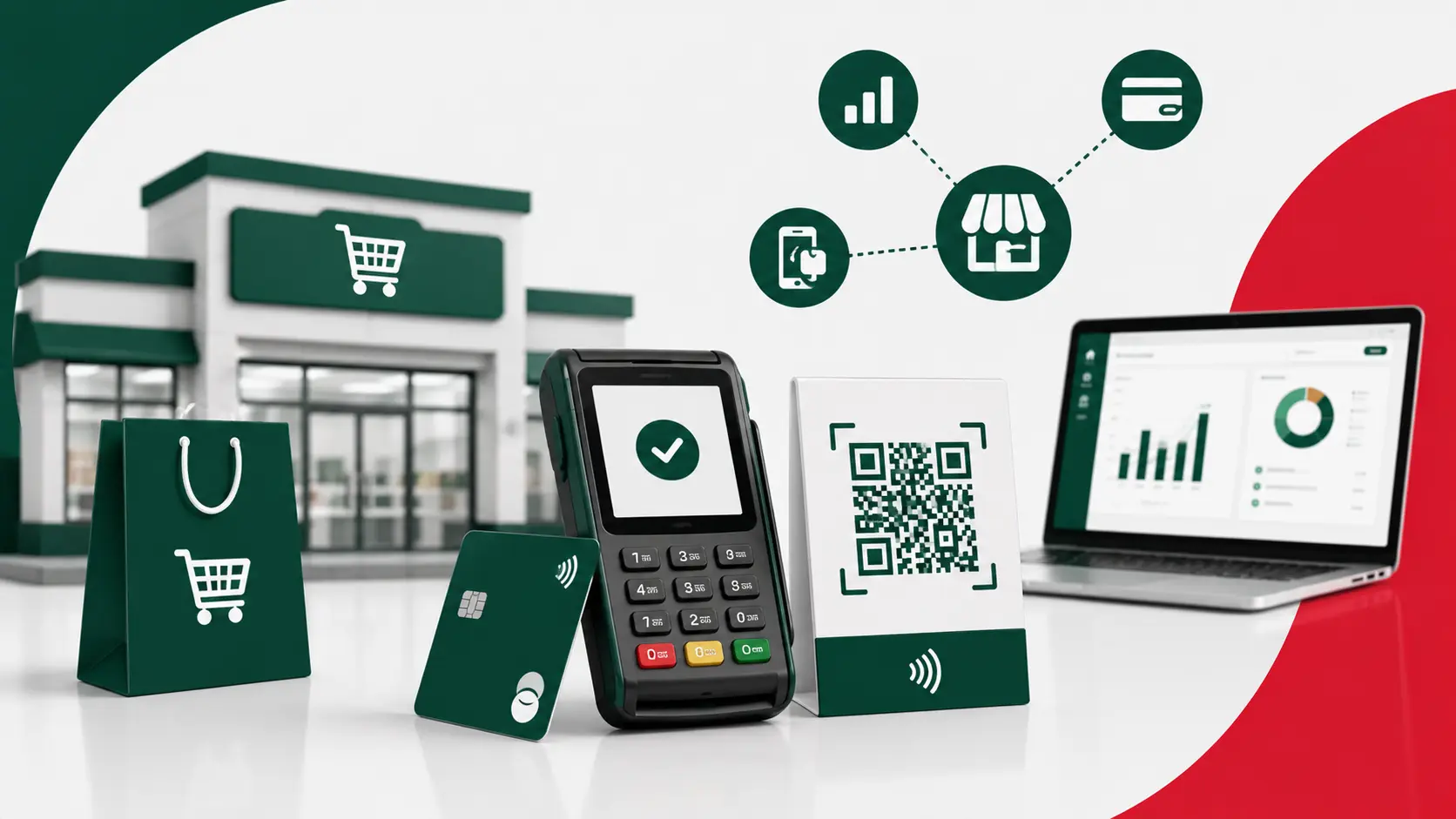
<p>Managing payments across several retail branches is no longer as simple as accepting cash at the checkout counter. Modern retail businesses operate through physical stores, online shops, mobile apps, and social commerce channels. Each location generates hundreds or even thousands of transactions every day, making payment management one of the most important operational tasks.</p>
<p>As retailers expand, keeping every outlet connected becomes a challenge. Sales reporting, payment reconciliation, refunds, inventory updates, and settlement tracking all depend on a reliable payment infrastructure. Businesses that continue using disconnected systems often spend extra time correcting errors and matching payment records.</p>
<p>EPS Bangladesh helps businesses overcome these challenges through secure payment technology built for growing retailers. If you're searching for a<a href="https://eps.com.bd/retail-industry-payment-solutions"> <strong>payment gateway for retail industry in Bangladesh</strong></a>, choosing a solution designed for multi-branch operations can reduce manual work while giving management better financial visibility.</p>
<p>Retail businesses also need a trusted technology partner. Working with an experienced <strong>payment gateway company in Bangladesh</strong> provides access to secure payment infrastructure, local technical support, and payment solutions that match business requirements.</p>
<p> </p>
<h2><strong>Why Multi-Outlet Retail Stores Face Payment Challenges</strong></h2>
<p>Opening multiple retail locations creates new opportunities, but it also increases operational complexity.</p>
<p>Many retailers experience problems such as:</p>
<ul>
<li>Different payment systems at different branches</li>
<li>Delayed sales reconciliation</li>
<li>Manual transaction verification</li>
<li>Inconsistent customer payment experiences</li>
<li>Difficulty tracking branch-wise performance</li>
<li>Higher administrative workload</li>
</ul>
<p>According to several retail payment studies, businesses operating more than five outlets spend approximately 20–30% more administrative time on payment reconciliation when their payment systems are not connected through a centralized platform.</p>
<h2><strong>Customers Expect Flexible Payment Options</strong></h2>
<p>Shopping behavior has changed rapidly over the last few years.</p>
<p>Customers now prefer paying through:</p>
<ul>
<li>Debit cards</li>
<li>Credit cards</li>
<li>Mobile financial services</li>
<li>Internet banking</li>
<li>QR payments</li>
<li>Digital wallets</li>
</ul>
<p>A customer may purchase from one branch today and another branch next week. They expect the payment experience to remain consistent regardless of the outlet.</p>
<p>Retailers that fail to provide convenient payment options often experience abandoned purchases and lower customer satisfaction.</p>
<h2><strong>Centralized Payment Management Makes Operations Easier</strong></h2>
<p>One of the biggest advantages of an integrated payment platform is centralized management.</p>
<p>Instead of monitoring every branch separately, business owners can review transactions from one dashboard.</p>
<p>This allows management teams to:</p>
<ul>
<li>Monitor branch performance</li>
<li>Compare daily sales</li>
<li>Review transaction history</li>
<li>Track settlements</li>
<li>Generate financial reports</li>
<li>Detect unusual activities quickly</li>
</ul>
<p>Large retailers can make faster business decisions because financial information becomes available almost immediately after transactions are completed.</p>
<h2><strong>Faster Checkout Improves Customer Experience</strong></h2>
<p>Long queues remain one of the biggest reasons customers leave retail stores without completing purchases.</p>
<p>Digital payment systems reduce waiting time by processing payments quickly.</p>
<p>Customers appreciate:</p>
<ul>
<li>Faster payment approval</li>
<li>Multiple payment choices</li>
<li>Instant payment confirmation</li>
<li>Digital receipts</li>
<li>Contactless payment options</li>
</ul>
<p>Retail businesses that shorten checkout times often experience higher customer retention and increased repeat visits.</p>
<h2><strong>Better Control Across Every Branch</strong></h2>
<p>Retail owners frequently struggle to maintain operational consistency.</p>
<p>Without centralized payment management, each outlet may follow different procedures for refunds, discounts, settlements, or transaction verification.</p>
<p>A connected payment platform allows management to standardize payment operations throughout the organization.</p>
<p>Benefits include:</p>
<ul>
<li>Uniform payment policies</li>
<li>Standard reporting</li>
<li>Controlled refund approval</li>
<li>Easier staff training</li>
<li>Better financial oversight</li>
</ul>
<h2><strong>Reducing Manual Accounting Errors</strong></h2>
<p>Manual payment reconciliation consumes valuable staff time.</p>
<p>Employees often compare:</p>
<ul>
<li>Cash receipts</li>
<li>Card transactions</li>
<li>Mobile banking records</li>
<li>POS reports</li>
<li>Bank settlements</li>
</ul>
<p>Even small errors create accounting problems that require additional investigation.</p>
<p>Digital payment integration automatically records transaction information, reducing duplicate entries and improving financial accuracy.</p>
<h2><strong>Real-Time Sales Visibility</strong></h2>
<p>Retail managers no longer need to wait until the end of the day to understand business performance.</p>
<p>Modern payment systems provide live transaction reporting.</p>
<p>Management teams can immediately view:</p>
<ul>
<li>Branch revenue</li>
<li>Hourly sales</li>
<li>Payment method distribution</li>
<li>Refund activity</li>
<li>Settlement status</li>
</ul>
<p>Quick access to sales information helps retailers respond faster during busy shopping periods.</p>
<h2><strong>Supporting Online and Offline Retail Together</strong></h2>
<p>Today's retail businesses rarely operate through physical stores alone.</p>
<p>Many retailers now sell through:</p>
<ul>
<li>E-commerce websites</li>
<li>Facebook shops</li>
<li>Mobile applications</li>
<li>Physical outlets</li>
<li>Marketplace platforms</li>
</ul>
<p>Managing payments separately creates unnecessary complexity.</p>
<p>An integrated payment platform allows businesses to monitor every payment channel from a single environment.</p>
<h2><strong>Better Inventory Coordination</strong></h2>
<p>Sales and inventory should always move together.</p>
<p>When payment confirmation reaches inventory systems instantly, businesses can:</p>
<ul>
<li>Reduce stock mismatches</li>
<li>Update inventory automatically</li>
<li>Prevent overselling</li>
<li>Improve purchase planning</li>
</ul>
<p>This becomes especially valuable during promotional campaigns and seasonal sales.</p>
<h2><strong>Secure Transactions Protect Retail Businesses</strong></h2>
<p>Retail businesses process thousands of customer payment details every month.</p>
<p>Security should always remain a priority.</p>
<p>Reliable payment platforms include:</p>
<ul>
<li>Encrypted transactions</li>
<li>Fraud detection</li>
<li>User authentication</li>
<li>Secure payment routing</li>
<li>Continuous transaction monitoring</li>
</ul>
<p>Businesses using a trusted <a href="https://eps.com.bd/about-us">payment gateway service provider in Bangladesh</a> gain better protection against payment fraud while maintaining customer confidence.</p>
<p> </p>
<h2><strong>Multiple Payment Methods Increase Sales</strong></h2>
<p>Every customer prefers a different payment option.</p>
<p>Some choose cards.</p>
<p>Others prefer mobile financial services.</p>
<p>Many still use internet banking.</p>
<p>Supporting various online payment methods in Bangladesh allows retailers to serve a broader customer base without forcing customers toward a single payment option.</p>
<h2><strong>Easy Expansion for Growing Retail Chains</strong></h2>
<p>As businesses open additional branches, payment systems should grow alongside them.</p>
<p>Instead of installing completely separate solutions, retailers can connect new stores to their existing payment platform.</p>
<p>This creates:</p>
<ul>
<li>Faster branch onboarding</li>
<li>Consistent reporting</li>
<li>Easier employee management</li>
<li>Centralized administration</li>
</ul>
<p>Expansion becomes far less complicated.</p>
<h2><strong>Cross-Border Sales Opportunities</strong></h2>
<p>Many Bangladeshi retailers now sell products to international customers through online stores.</p>
<p>Using an international payment gateway in Bangladesh allows businesses to accept payments from overseas buyers while maintaining secure transaction processing.</p>
<p>This creates opportunities for export-oriented retailers and brands serving international customers.</p>
<h2><strong>Choosing the Right Payment Partner</strong></h2>
<p>Before selecting a payment solution, retailers should evaluate several factors.</p>
<p>Consider:</p>
<ul>
<li>Payment security</li>
<li>Branch management features</li>
<li>Settlement speed</li>
<li>API support</li>
<li>Reporting capabilities</li>
<li>Customer support</li>
<li>Local compliance</li>
<li>Integration options</li>
</ul>
<p>Choosing the <strong>best payment gateway Bangladesh</strong> businesses trust involves looking beyond transaction fees. Long-term reliability and technical support usually have a much greater impact on daily operations.</p>
<h2><strong>Supporting Retail Growth in Bangladesh</strong></h2>
<p>Retail commerce continues to expand across Bangladesh.</p>
<p>Shopping malls, chain stores, supermarkets, pharmacies, fashion brands, electronics retailers, and specialty stores are opening new branches every year.</p>
<p>Businesses also rely on an <a href="https://eps.com.bd/">online payment gateway in Bangladesh</a> to connect physical stores with digital sales channels, helping customers enjoy a consistent payment experience regardless of where they shop.</p>
<p>Many retailers are also moving toward an easy payment system in Bangladesh that supports cards, mobile financial services, QR payments, and internet banking from a single platform.</p>
<h2><strong>Final Thoughts</strong></h2>
<p>Managing payments across multiple retail outlets requires much more than simply accepting customer transactions. Businesses need centralized reporting, secure payment processing, faster settlement tracking, and consistent customer experiences across every location.</p>
<p>Retailers that invest in connected payment infrastructure reduce manual work, improve financial visibility, and prepare their businesses for future expansion. As customer payment preferences continue changing, businesses with flexible digital payment systems will be better positioned to serve both in-store and online customers.</p>
<p>For retail businesses planning long-term growth, choosing a reliable payment partner is one of the most important operational decisions they can make.</p>
See less
Posted on July 29, 2026
Recurring Payment Systems Explained for Subscription Businesses
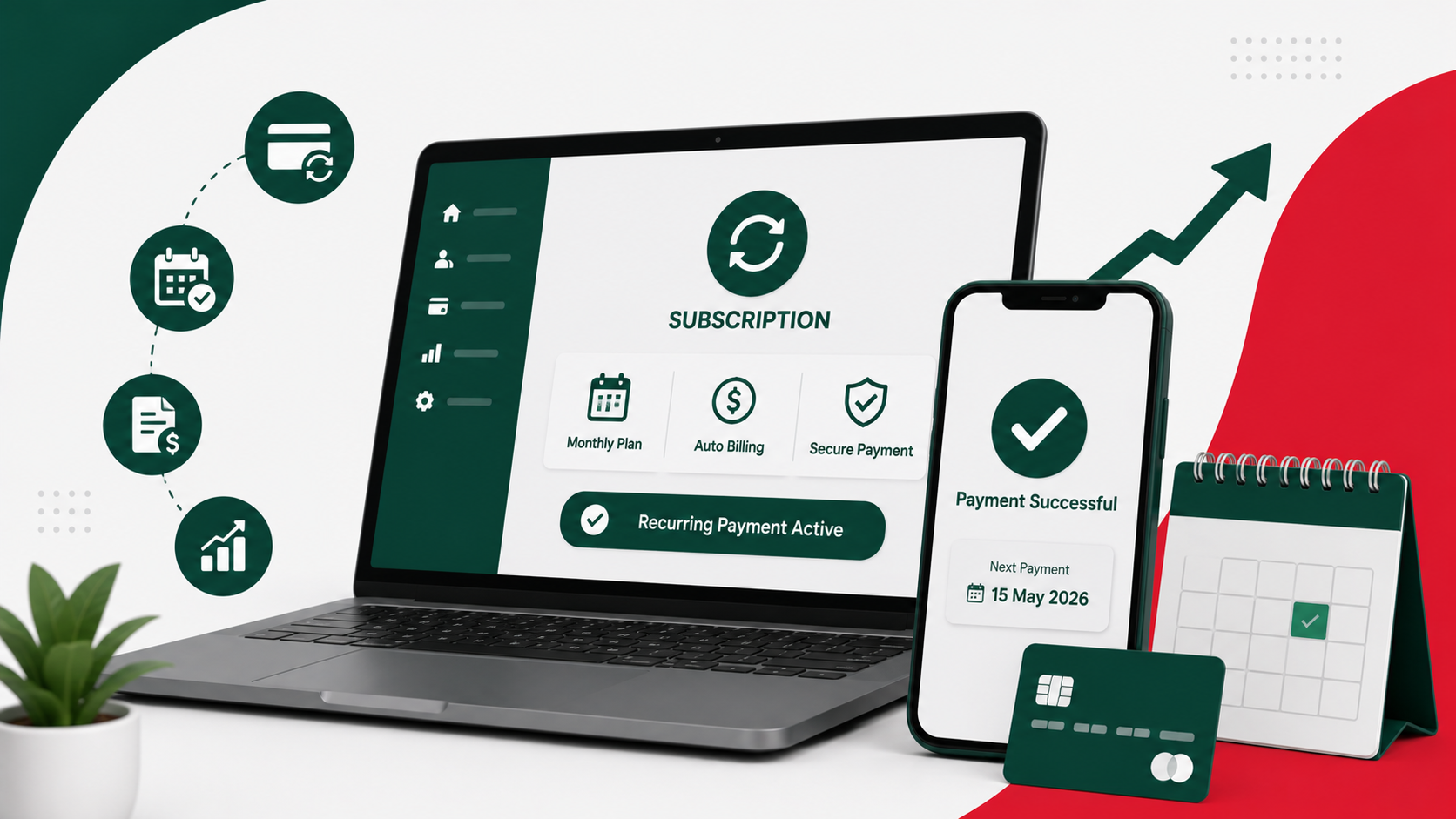
Subscription-based businesses depend on consistent cash flow. Every missed payment, expired card, or manual billing task can interrupt revenue and create extra work for finance teams. From SaaS platforms and gyms to online learning, internet service providers, and membership organizations, recurring billing has become a standard payment model.
Businesses looking for a reliable payment gateway company in Bangladesh often prioritize recurring payment capabilities because manual invoice collecti...
...
See More →
<p>Subscription-based businesses depend on consistent cash flow. Every missed payment, expired card, or manual billing task can interrupt revenue and create extra work for finance teams. From SaaS platforms and gyms to online learning, internet service providers, and membership organizations, recurring billing has become a standard payment model.</p>
<p>Businesses looking for a reliable <a href="https://eps.com.bd/about-us">payment gateway company in Bangladesh</a> often prioritize recurring payment capabilities because manual invoice collection becomes difficult as subscriber numbers grow. A payment platform that supports automated billing helps businesses collect payments on schedule while giving customers a smoother payment experience.</p>
<p>Research from several payment industry reports shows that subscription businesses using automated recurring billing often collect payments more consistently than those relying on manual invoices. Many companies also report fewer late payments and lower administrative costs after replacing manual collection methods with recurring payment systems.</p>
<h2><strong>What Is a Recurring Payment System?</strong></h2>
<p>A recurring payment system automatically charges a customer's selected payment method at scheduled intervals after receiving their authorization.</p>
<p>Instead of asking customers to make a payment every month, the system handles billing according to the agreed schedule.</p>
<p>Common billing cycles include:</p>
<ul>
<li>Weekly subscriptions</li>
<li>Monthly memberships</li>
<li>Quarterly service contracts</li>
<li>Annual software licenses</li>
<li>Custom billing intervals</li>
</ul>
<p>Customers only need to approve the recurring payment once. Future transactions happen automatically unless the subscription is cancelled or the payment method changes.</p>
<p><br />
</p>
<h2><strong>How Recurring Payments Work?</strong></h2>
<p>Although the customer sees only one automatic charge each month, several processes happen behind the scenes.</p>
<h3><strong>Step 1: Customer Subscribes</strong></h3>
<p>The customer selects a subscription plan and enters payment details.</p>
<h3><strong>Step 2: Authorization</strong></h3>
<p>The customer approves recurring billing according to the business terms.</p>
<h3><strong>Step 3: Payment Token Creation</strong></h3>
<p>Instead of storing card information directly, the payment system stores a secure payment token.</p>
<h3><strong>Step 4: Automatic Billing</strong></h3>
<p>The system charges the customer on each scheduled billing date.</p>
<h3><strong>Step 5: Confirmation</strong></h3>
<p>Both customer and merchant receive payment confirmation immediately.</p>
<h3><strong>Step 6: Reporting</strong></h3>
<p>Transactions appear inside the merchant dashboard for accounting and reconciliation.</p>
<p> </p>
<h2><strong>Businesses That Benefit Most</strong></h2>
<p>Recurring billing works across many industries.</p>
<p>Examples include:</p>
<ul>
<li>SaaS platforms</li>
<li>Educational institutions</li>
<li>Streaming services</li>
<li>Internet providers</li>
<li>Insurance companies</li>
<li>Fitness centers</li>
<li>Digital newspapers</li>
<li>Membership organizations</li>
<li>Maintenance service providers</li>
<li>Healthcare subscription programs</li>
</ul>
<p>Any business collecting regular payments can reduce manual work through recurring billing.</p>
<p> </p>
<h2><strong>Problems with Manual Subscription Billing</strong></h2>
<p>Many growing businesses begin by sending invoices manually.</p>
<p>This approach works for a small number of customers but becomes difficult as subscriptions increase.</p>
<p>Common challenges include:</p>
<ul>
<li>Forgotten invoice dates</li>
<li>Delayed customer payments</li>
<li>Manual reminder emails</li>
<li>Spreadsheet errors</li>
<li>Incorrect payment amounts</li>
<li>Duplicate invoices</li>
<li>Time-consuming reconciliation</li>
</ul>
<p>These problems often lead to inconsistent cash flow.</p>
<p> </p>
<h2><strong>Why Automated Billing Improves Revenue Stability</strong></h2>
<p>Predictable revenue is one of the biggest advantages of subscription businesses.</p>
<p>Recurring payment systems help maintain that predictability.</p>
<p>Benefits include:</p>
<ul>
<li>Consistent monthly income</li>
<li>Reduced payment delays</li>
<li>Lower administrative workload</li>
<li>Better financial planning</li>
<li>Improved customer retention</li>
<li>Fewer unpaid invoices</li>
</ul>
<p>Finance teams spend less time chasing payments and more time analyzing business growth.</p>
<h2><strong>Better Customer Experience</strong></h2>
<p>Customers also benefit from recurring billing.</p>
<p>They no longer need to remember payment dates or repeatedly enter payment information.</p>
<p>Customers appreciate:</p>
<ul>
<li>Automatic renewals</li>
<li>Faster checkout</li>
<li>Fewer missed payments</li>
<li>Instant payment confirmation</li>
<li>Less account interruption</li>
<li>Simple subscription management</li>
</ul>
<p>Convenience often contributes directly to customer satisfaction.</p>
<h2><strong>Reducing Failed Subscription Payments</strong></h2>
<p>Even recurring billing can experience payment failures.</p>
<p>Common causes include:</p>
<ul>
<li>Expired cards</li>
<li>Insufficient balance</li>
<li>Bank restrictions</li>
<li>Payment method changes</li>
<li>Technical interruptions</li>
</ul>
<p>Businesses can reduce failed payments by:</p>
<ul>
<li>Sending payment reminders before renewal</li>
<li>Updating expired cards</li>
<li>Offering multiple payment methods</li>
<li>Using automatic retry schedules</li>
<li>Notifying customers immediately after failed transactions</li>
</ul>
<p>These small improvements can recover a large percentage of failed payments.</p>
<p><br />
<br />
<br />
</p>
<h2><strong>Security Matters</strong></h2>
<p>Subscription businesses store customer payment authorization for future billing.</p>
<p>Security should always remain a priority.</p>
<p>Reliable payment systems use:</p>
<ul>
<li>Tokenization</li>
<li>Encrypted communication</li>
<li>Fraud monitoring</li>
<li>Secure authentication</li>
<li>Access controls</li>
<li>Activity logging</li>
</ul>
<p>These measures protect both customers and merchants during every recurring transaction.</p>
<h2><strong>Integration with Business Software</strong></h2>
<p>Recurring billing becomes even more useful when connected with other business systems.</p>
<p>Many companies integrate recurring payments with:</p>
<ul>
<li>CRM software</li>
<li>ERP platforms</li>
<li>Membership systems</li>
<li>Accounting software</li>
<li>Learning management systems</li>
<li>Customer support platforms</li>
</ul>
<p>These integrations reduce manual data entry and improve reporting accuracy.</p>
<p> </p>
<h2><strong>Payment Flexibility Matters</strong></h2>
<p>Customers prefer payment choices.</p>
<p>Businesses should support multiple options, including:</p>
<ul>
<li>Debit cards</li>
<li>Credit cards</li>
<li>Internet banking</li>
<li>Mobile financial services</li>
<li>Bank transfers</li>
<li>Digital wallets</li>
</ul>
<p>Providing flexible payment options reduces subscription cancellations caused by payment limitations.</p>
<p>Many organizations also choose an <strong>online payment gateway in Bangladesh</strong> that supports several payment channels through one integration.</p>
<p> </p>
<h2><strong>Supporting Business Growth</strong></h2>
<p>Subscription businesses often experience rapid customer growth.</p>
<p>Manual billing processes rarely keep pace.</p>
<p>Recurring payment systems support expansion by handling thousands of scheduled transactions without increasing finance team workload.</p>
<p>This becomes especially important for:</p>
<ul>
<li>Software companies</li>
<li>Online education platforms</li>
<li>Media subscriptions</li>
<li>Telecom providers</li>
<li>Professional membership organizations</li>
</ul>
<p>Growth becomes easier when billing processes require minimal manual intervention.</p>
<p> </p>
<h2><strong>Why Reporting Is Important</strong></h2>
<p>Recurring billing generates continuous transaction data.</p>
<p>Good reporting allows businesses to monitor:</p>
<ul>
<li>Monthly recurring revenue</li>
<li>Collection success rates</li>
<li>Failed payments</li>
<li>Customer churn</li>
<li>Renewal rates</li>
<li>Revenue forecasts</li>
</ul>
<p>Better reporting supports faster financial decision-making.</p>
<p> </p>
<h2><strong>Choosing the Right Payment Partner</strong></h2>
<p>Not every recurring payment solution offers the same capabilities.</p>
<p>Businesses should evaluate:</p>
<ul>
<li>Automatic billing support</li>
<li>Payment retry features</li>
<li>Multiple payment methods</li>
<li>API availability</li>
<li>Reporting dashboard</li>
<li>Security standards</li>
<li>Settlement speed</li>
<li>Customer support</li>
</ul>
<p>Working with an experienced <strong>payment gateway service provider in Bangladesh</strong> helps businesses avoid operational issues as subscriber numbers increase.</p>
<p> </p>
<h2><strong>Supporting Local and Global Customers</strong></h2>
<p>Many subscription businesses now serve both domestic and overseas customers.</p>
<p>A payment platform that supports <strong>international payment gateway in Bangladesh</strong> services can simplify global payment collection while maintaining a single reporting dashboard.</p>
<p>Companies selling software, digital services, online education, and memberships often benefit from international payment support.</p>
<p> </p>
<h2><strong>Payment Methods Continue Expanding</strong></h2>
<p>Customer preferences continue changing.</p>
<p>Businesses should support modern <strong>online payment methods in Bangladesh</strong> alongside traditional banking options to reduce payment friction and improve successful collections.</p>
<p>Flexible payment acceptance also improves subscription renewal rates.</p>
<p> </p>
<h2><strong>Why Businesses Choose EPS Bangladesh</strong></h2>
<p>Businesses looking for the <strong>best payment gateway Bangladesh</strong> often compare reliability, reporting, settlement speed, security, and integration options.</p>
<p>EPS Bangladesh provides payment solutions designed for growing businesses that require automated billing, multiple payment methods, business reporting, and dependable transaction processing.</p>
<p>Companies searching for an <strong>easy payment system in Bangladesh</strong> also value platforms that reduce manual administration while supporting long-term business growth.</p>
<p>For businesses planning subscription services or recurring billing, the complete payment platform from <a href="https://eps.com.bd/"><strong>EPS Bangladesh</strong></a> provides secure payment processing, flexible integration options, and payment management tools suitable for businesses of different sizes.</p>
<h2><strong>Final Thoughts</strong></h2>
<p>Recurring payment systems help businesses reduce manual billing, improve payment consistency, and create a better customer experience. As subscription-based business models continue to grow, automated billing has become an important part of maintaining stable revenue and reducing administrative work.</p>
<p>Organizations that invest in secure recurring payment technology are better positioned to manage larger subscriber bases while keeping payment collection organized and reliable.</p>
See less
Posted on July 29, 2026
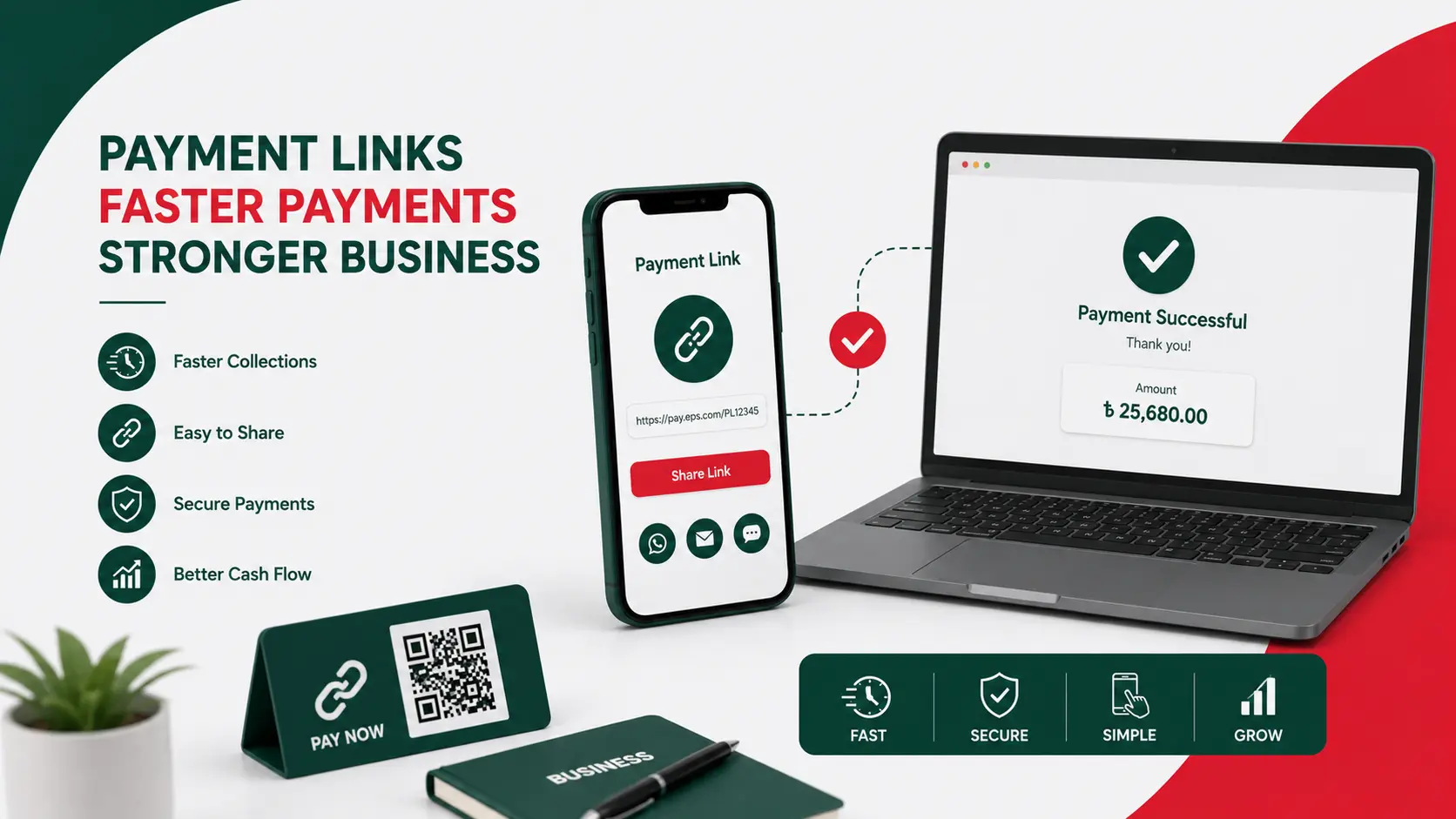
How Payment Links Help Businesses Collect Payments Faster
Collecting payments quickly is one of the biggest challenges for many businesses. A sale is not truly complete until the payment reaches the business account. Delayed collections affect cash flow, increase follow-up work, and create unnecessary pressure on finance teams. Many customers are willing to pay, yet lengthy payment procedures often slow the process.
Businesses working with a trusted payment gateway company in Bangladesh understand that making payments easier often leads to faster co...
...
See More →
<p>Collecting payments quickly is one of the biggest challenges for many businesses. A sale is not truly complete until the payment reaches the business account. Delayed collections affect cash flow, increase follow-up work, and create unnecessary pressure on finance teams. Many customers are willing to pay, yet lengthy payment procedures often slow the process.</p>
<p>Businesses working with a trusted<a href="https://eps.com.bd/about-us"> <strong>payment gateway company in Bangladesh</strong></a> understand that making payments easier often leads to faster collections. A payment link removes unnecessary steps by allowing customers to pay directly from their preferred device without requiring complex checkout procedures.</p>
<p>As digital commerce continues to grow, companies are looking for payment solutions that reduce manual work while giving customers a smooth payment experience. Businesses using a reliable <strong>business payment platform</strong> such as <strong>EPS Bangladesh</strong> can shorten collection cycles and spend less time chasing unpaid invoices.</p>
<p> </p>
<h2><strong>What Is a Payment Link?</strong></h2>
<p>A payment link is a secure URL that directs customers to a payment page where they can complete a transaction within minutes. Instead of asking customers to manually transfer money or enter bank details, businesses simply generate a payment link and send it through:</p>
<ul>
<li>SMS</li>
<li>Email</li>
<li>WhatsApp</li>
<li>Messenger</li>
<li>Facebook</li>
<li>Customer Portal</li>
</ul>
<p>The customer clicks the link, selects a preferred payment option, completes the transaction, and receives confirmation immediately.</p>
<p>This approach removes unnecessary barriers that often delay payments.</p>
<p> </p>
<h2><strong>Why Traditional Payment Collection Takes Longer</strong></h2>
<p>Many organizations still depend on manual payment requests. Customers receive invoices through email or messaging applications, then have to log into internet banking or visit a mobile banking application separately.</p>
<p>This process often leads to problems including:</p>
<ul>
<li>Forgotten invoices</li>
<li>Incorrect account numbers</li>
<li>Wrong payment references</li>
<li>Delayed confirmations</li>
<li>Additional customer support requests</li>
</ul>
<p>Finance teams then spend hours verifying transactions manually.</p>
<p>According to several digital commerce reports published across Asia, businesses using digital payment requests reduce average payment waiting time by nearly <strong>35%</strong>, while customer payment completion rates improve by around <strong>28%</strong> during the first week after invoice delivery. Although results vary by industry, these figures show how reducing payment steps influences customer behavior.</p>
<p> </p>
<h2><strong>Faster Payments Mean Better Cash Flow</strong></h2>
<p>Cash flow is one of the strongest indicators of business stability.</p>
<p>When customer payments arrive late, companies often face difficulties paying suppliers, employees, logistics partners, and operating expenses.</p>
<p>Payment links help shorten this cycle because customers can complete transactions immediately after receiving the request.</p>
<p>Instead of waiting several days, businesses begin receiving payments throughout the day.</p>
<p>This allows finance teams to:</p>
<ul>
<li>Monitor incoming revenue</li>
<li>Plan supplier payments</li>
<li>Maintain healthier working capital</li>
<li>Reduce outstanding invoices</li>
<li>Improve financial forecasting</li>
</ul>
<p> </p>
<h2><strong>Customers Appreciate Convenience</strong></h2>
<p>Customer expectations have changed.</p>
<p>People no longer want lengthy payment procedures that require multiple applications or several verification steps.</p>
<p>A payment link offers convenience because customers can pay from:</p>
<ul>
<li>Mobile banking apps</li>
<li>Credit cards</li>
<li>Debit cards</li>
<li>Internet banking</li>
<li>Digital wallets</li>
</ul>
<p>Businesses offering multiple <strong>online payment methods in Bangladesh</strong> often experience higher payment completion rates simply because customers can choose the method they already use every day.</p>
<p> </p>
<h2><strong>Less Manual Follow-Up</strong></h2>
<p>Following up on unpaid invoices consumes valuable staff time.</p>
<p>Employees often spend hours:</p>
<ul>
<li>Calling customers</li>
<li>Sending reminder emails</li>
<li>Preparing payment reports</li>
<li>Matching bank deposits</li>
<li>Confirming transfers manually</li>
</ul>
<p>Payment links reduce much of this work.</p>
<p>Most payment platforms automatically notify both the customer and the merchant after successful payment, allowing accounting teams to focus on financial management instead of repetitive follow-up tasks.</p>
<p><br />
<br />
</p>
<h2><strong>Better Experience for Sales Teams</strong></h2>
<p>Sales representatives frequently need to collect advance payments, booking fees, deposits, or installment payments.</p>
<p>Instead of asking customers to visit a bank branch or request account details, the representative can generate a payment link during the conversation.</p>
<p>The customer completes payment immediately while discussing the purchase.</p>
<p>This reduces delays between agreement and payment confirmation.</p>
<p>Businesses using an <strong>online payment gateway in Bangladesh</strong> frequently integrate payment links directly into their sales process to reduce abandoned purchases.</p>
<p> </p>
<h2><strong>Useful Across Multiple Industries</strong></h2>
<p>Payment links are suitable for businesses of almost every size.</p>
<p>Common industries include:</p>
<h3><strong>Educational Institutions</strong></h3>
<p>Schools collect tuition fees and admission payments without requiring parents to visit campus.</p>
<h3><strong>Hospitals</strong></h3>
<p>Medical centers collect consultation fees before appointments.</p>
<h3><strong>Retail Stores</strong></h3>
<p>Retail businesses send payment requests for reserved products.</p>
<h3><strong>Restaurants</strong></h3>
<p>Restaurants collect advance booking fees for events.</p>
<h3><strong>Law Firms</strong></h3>
<p>Legal professionals receive consultation payments before meetings.</p>
<h3><strong>Consulting Companies</strong></h3>
<p>Consultants collect project deposits before beginning work.</p>
<h3><strong>Freelancers</strong></h3>
<p>Independent professionals invoice international clients using digital payment requests.</p>
<p> </p>
<h2><strong>Lower Risk of Payment Errors</strong></h2>
<p>Manual bank transfers increase the chance of mistakes.</p>
<p>Customers sometimes:</p>
<ul>
<li>Enter the wrong account number</li>
<li>Type incorrect amounts</li>
<li>Forget reference numbers</li>
<li>Upload incorrect payment receipts</li>
</ul>
<p>Payment links automatically populate payment information, reducing these common issues.</p>
<p>Businesses working with a reliable <strong>payment gateway service provider in Bangladesh</strong> also receive transaction records instantly, making reconciliation much easier.</p>
<p> </p>
<h2><strong>Better Customer Trust</strong></h2>
<p>Customers feel more comfortable paying through recognized payment pages than sending money using manually shared banking information.</p>
<p>Modern payment pages include:</p>
<ul>
<li>SSL encryption</li>
<li>Secure authentication</li>
<li>Fraud monitoring</li>
<li>Transaction verification</li>
<li>Payment confirmation</li>
</ul>
<p>These security measures give customers greater confidence during online purchases.</p>
<p><br />
</p>
<h2><strong>Support for International Customers</strong></h2>
<p>Many Bangladeshi businesses now serve overseas buyers.</p>
<p>Export companies, software firms, agencies, consultants, and freelancers regularly receive payments from international customers.</p>
<p>Choosing an <strong>international payment gateway in Bangladesh</strong> allows businesses to receive payments from overseas markets while maintaining secure transaction processing and proper reporting.</p>
<p>This becomes increasingly valuable as more companies expand beyond domestic markets.</p>
<p> </p>
<h2><strong>Payment Links Help Small Businesses Compete</strong></h2>
<p>Smaller businesses often believe digital payment tools are only suitable for large organizations.</p>
<p>The reality is different.</p>
<p>Payment links require minimal setup and allow even small merchants to offer professional payment experiences.</p>
<p>Local retailers, Facebook sellers, coaching centers, freelancers, and service providers benefit from an <strong>easy payment system in Bangladesh</strong> without investing in expensive eCommerce infrastructure.</p>
<p>This makes digital collections accessible to businesses with limited technical resources.</p>
<p> </p>
<h2><strong>Better Reporting and Financial Visibility</strong></h2>
<p>Every completed payment generates valuable transaction data.</p>
<p>Business owners can review:</p>
<ul>
<li>Daily collections</li>
<li>Monthly revenue</li>
<li>Pending invoices</li>
<li>Customer payment history</li>
<li>Settlement reports</li>
</ul>
<p>Accurate reporting supports stronger financial decisions while reducing accounting errors.</p>
<p>Many businesses also integrate payment data into ERP or accounting software for centralized reporting.</p>
<p> </p>
<h2><strong>Choosing the Right Payment Partner</strong></h2>
<p>Not every payment platform offers the same features.</p>
<p>Before selecting a provider, businesses should evaluate:</p>
<ul>
<li>Security standards</li>
<li>Settlement speed</li>
<li>Payment methods</li>
<li>API availability</li>
<li>Merchant dashboard</li>
<li>Customer support</li>
<li>Reporting capabilities</li>
<li>Integration options</li>
</ul>
<p>Many companies searching for the <strong>best payment gateway Bangladesh</strong> focus on transaction reliability, settlement transparency, and responsive technical support rather than price alone.</p>
<p> </p>
<h2><strong>How EPS Bangladesh Supports Faster Payment Collection</strong></h2>
<p><a href="https://eps.com.bd/">EPS Bangladesh</a> helps businesses collect payments through secure payment links designed for both online and offline transactions.</p>
<p>Merchants can generate payment links within seconds and share them across multiple communication channels. Customers receive a straightforward payment experience without unnecessary steps, while businesses monitor every transaction through a centralized dashboard.</p>
<p>EPS also supports payment gateway integration, mobile banking, internet banking, cards, QR payments, reporting tools, merchant dashboards, and settlement management from one platform.</p>
<p><br />
</p>
<h2><strong>Final Thoughts</strong></h2>
<p>Delayed payments create unnecessary pressure on every business. Manual collection methods increase administrative work, extend collection cycles, and often frustrate customers who simply want a quick way to pay.</p>
<p>Payment links remove many of these obstacles by giving customers a secure payment page they can access from almost any device. The process is straightforward, payment confirmation arrives instantly, and finance teams spend less time following up on unpaid invoices.</p>
<p>For organizations planning to modernize their payment process, adopting payment links is one of the simplest improvements that can produce noticeable improvements in customer convenience, collection speed, and financial visibility. With the right payment partner, businesses can create a payment experience that supports both day-to-day operations and long-term growth.</p>
<p> </p>
See less
Posted on July 16, 2026
Manage News & Blogs
| Title | Content | Image | Actions |
|---|---|---|---|
| How Multi-Channel Payments Improve Customer Experience | Customers want to pay in the way that feels easies... |
|
|
| Bangla QR Payments vs POS Machines: Which Is Better for Modern Businesses? | Businesses have more choices than ever when it com... |
|
|
| Digital Payments for Multi-Outlet Retail Stores | Managing payments across several retail branches i... |
|
|
| Recurring Payment Systems Explained for Subscription Businesses | Subscription-based businesses depend on consistent... |
|
|
| How Payment Links Help Businesses Collect Payments Faster | Collecting payments quickly is one of the biggest... |
|
|