
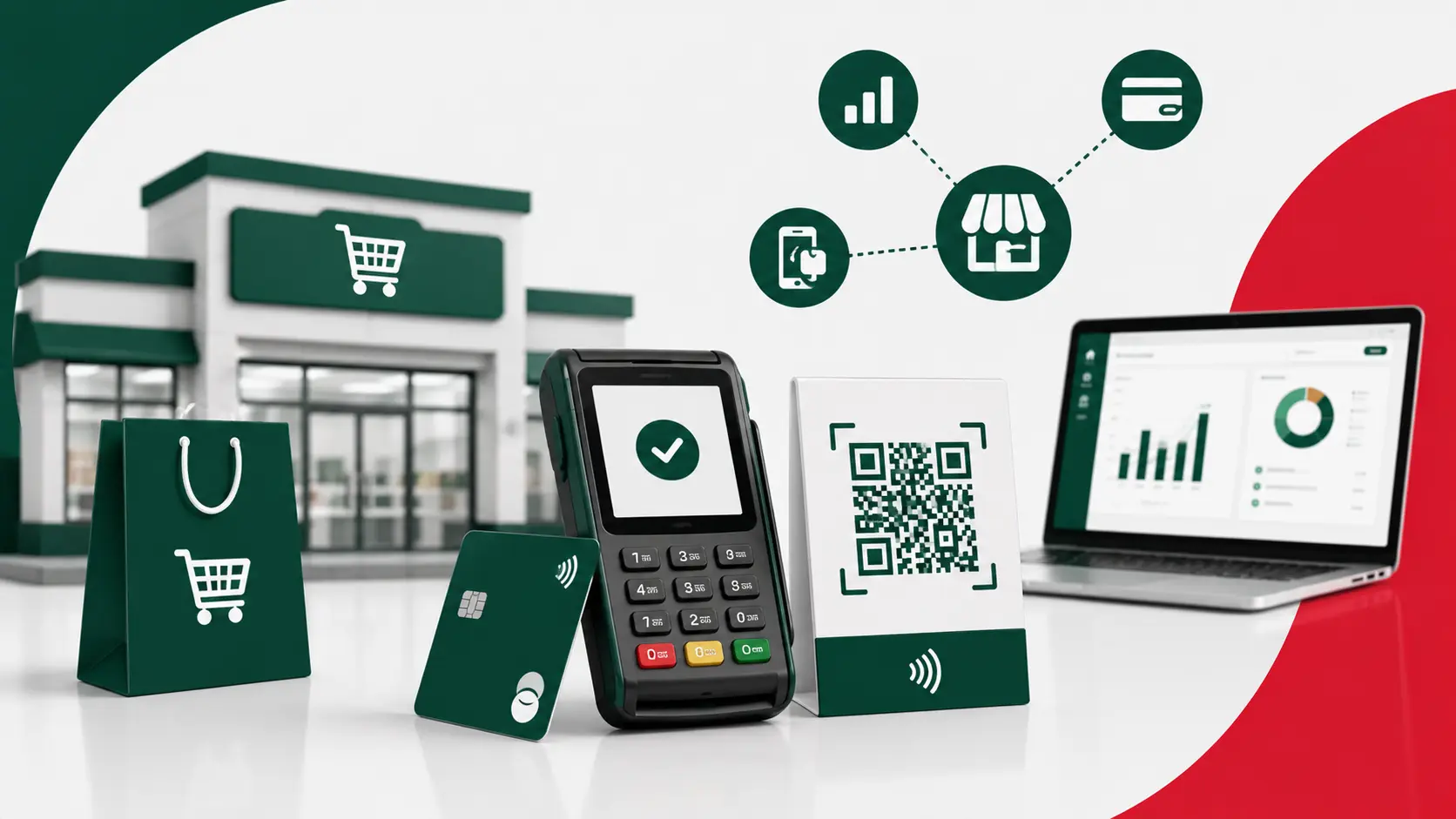
Managing payments across several retail branches is no longer as simple as accepting cash at the checkout counter. Modern retail businesses operate through physical stores, online shops, mobile apps, and social commerce channels. Each location generates hundreds or even thousands of transactions every day, making payment management one of the most important operational tasks.
As retailers expand, keeping every outlet connected becomes a challenge. Sales reporting, payment reconciliation, refunds, inventory updates, and settlement tracking all depend on a reliable payment infrastructure. Businesses that continue using disconnected systems often spend extra time correcting errors and matching payment records.
EPS Bangladesh helps businesses overcome these challenges through secure payment technology built for growing retailers. If you're searching for a payment gateway for retail industry in Bangladesh, choosing a solution designed for multi-branch operations can reduce manual work while giving management better financial visibility.
Retail businesses also need a trusted technology partner. Working with an experienced payment gateway company in Bangladesh provides access to secure payment infrastructure, local technical support, and payment solutions that match business requirements.
Why Multi-Outlet Retail Stores Face Payment Challenges
Opening multiple retail locations creates new opportunities, but it also increases operational complexity.
Many retailers experience problems such as:
- Different payment systems at different branches
- Delayed sales reconciliation
- Manual transaction verification
- Inconsistent customer payment experiences
- Difficulty tracking branch-wise performance
- Higher administrative workload
According to several retail payment studies, businesses operating more than five outlets spend approximately 20–30% more administrative time on payment reconciliation when their payment systems are not connected through a centralized platform.
Customers Expect Flexible Payment Options
Shopping behavior has changed rapidly over the last few years.
Customers now prefer paying through:
- Debit cards
- Credit cards
- Mobile financial services
- Internet banking
- QR payments
- Digital wallets
A customer may purchase from one branch today and another branch next week. They expect the payment experience to remain consistent regardless of the outlet.
Retailers that fail to provide convenient payment options often experience abandoned purchases and lower customer satisfaction.
Centralized Payment Management Makes Operations Easier
One of the biggest advantages of an integrated payment platform is centralized management.
Instead of monitoring every branch separately, business owners can review transactions from one dashboard.
This allows management teams to:
- Monitor branch performance
- Compare daily sales
- Review transaction history
- Track settlements
- Generate financial reports
- Detect unusual activities quickly
Large retailers can make faster business decisions because financial information becomes available almost immediately after transactions are completed.
Faster Checkout Improves Customer Experience
Long queues remain one of the biggest reasons customers leave retail stores without completing purchases.
Digital payment systems reduce waiting time by processing payments quickly.
Customers appreciate:
- Faster payment approval
- Multiple payment choices
- Instant payment confirmation
- Digital receipts
- Contactless payment options
Retail businesses that shorten checkout times often experience higher customer retention and increased repeat visits.
Better Control Across Every Branch
Retail owners frequently struggle to maintain operational consistency.
Without centralized payment management, each outlet may follow different procedures for refunds, discounts, settlements, or transaction verification.
A connected payment platform allows management to standardize payment operations throughout the organization.
Benefits include:
- Uniform payment policies
- Standard reporting
- Controlled refund approval
- Easier staff training
- Better financial oversight
Reducing Manual Accounting Errors
Manual payment reconciliation consumes valuable staff time.
Employees often compare:
- Cash receipts
- Card transactions
- Mobile banking records
- POS reports
- Bank settlements
Even small errors create accounting problems that require additional investigation.
Digital payment integration automatically records transaction information, reducing duplicate entries and improving financial accuracy.
Real-Time Sales Visibility
Retail managers no longer need to wait until the end of the day to understand business performance.
Modern payment systems provide live transaction reporting.
Management teams can immediately view:
- Branch revenue
- Hourly sales
- Payment method distribution
- Refund activity
- Settlement status
Quick access to sales information helps retailers respond faster during busy shopping periods.
Supporting Online and Offline Retail Together
Today's retail businesses rarely operate through physical stores alone.
Many retailers now sell through:
- E-commerce websites
- Facebook shops
- Mobile applications
- Physical outlets
- Marketplace platforms
Managing payments separately creates unnecessary complexity.
An integrated payment platform allows businesses to monitor every payment channel from a single environment.
Better Inventory Coordination
Sales and inventory should always move together.
When payment confirmation reaches inventory systems instantly, businesses can:
- Reduce stock mismatches
- Update inventory automatically
- Prevent overselling
- Improve purchase planning
This becomes especially valuable during promotional campaigns and seasonal sales.
Secure Transactions Protect Retail Businesses
Retail businesses process thousands of customer payment details every month.
Security should always remain a priority.
Reliable payment platforms include:
- Encrypted transactions
- Fraud detection
- User authentication
- Secure payment routing
- Continuous transaction monitoring
Businesses using a trusted payment gateway service provider in Bangladesh gain better protection against payment fraud while maintaining customer confidence.
Multiple Payment Methods Increase Sales
Every customer prefers a different payment option.
Some choose cards.
Others prefer mobile financial services.
Many still use internet banking.
Supporting various online payment methods in Bangladesh allows retailers to serve a broader customer base without forcing customers toward a single payment option.
Easy Expansion for Growing Retail Chains
As businesses open additional branches, payment systems should grow alongside them.
Instead of installing completely separate solutions, retailers can connect new stores to their existing payment platform.
This creates:
- Faster branch onboarding
- Consistent reporting
- Easier employee management
- Centralized administration
Expansion becomes far less complicated.
Cross-Border Sales Opportunities
Many Bangladeshi retailers now sell products to international customers through online stores.
Using an international payment gateway in Bangladesh allows businesses to accept payments from overseas buyers while maintaining secure transaction processing.
This creates opportunities for export-oriented retailers and brands serving international customers.
Choosing the Right Payment Partner
Before selecting a payment solution, retailers should evaluate several factors.
Consider:
- Payment security
- Branch management features
- Settlement speed
- API support
- Reporting capabilities
- Customer support
- Local compliance
- Integration options
Choosing the best payment gateway Bangladesh businesses trust involves looking beyond transaction fees. Long-term reliability and technical support usually have a much greater impact on daily operations.
Supporting Retail Growth in Bangladesh
Retail commerce continues to expand across Bangladesh.
Shopping malls, chain stores, supermarkets, pharmacies, fashion brands, electronics retailers, and specialty stores are opening new branches every year.
Businesses also rely on an online payment gateway in Bangladesh to connect physical stores with digital sales channels, helping customers enjoy a consistent payment experience regardless of where they shop.
Many retailers are also moving toward an easy payment system in Bangladesh that supports cards, mobile financial services, QR payments, and internet banking from a single platform.
Final Thoughts
Managing payments across multiple retail outlets requires much more than simply accepting customer transactions. Businesses need centralized reporting, secure payment processing, faster settlement tracking, and consistent customer experiences across every location.
Retailers that invest in connected payment infrastructure reduce manual work, improve financial visibility, and prepare their businesses for future expansion. As customer payment preferences continue changing, businesses with flexible digital payment systems will be better positioned to serve both in-store and online customers.
For retail businesses planning long-term growth, choosing a reliable payment partner is one of the most important operational decisions they can make.