
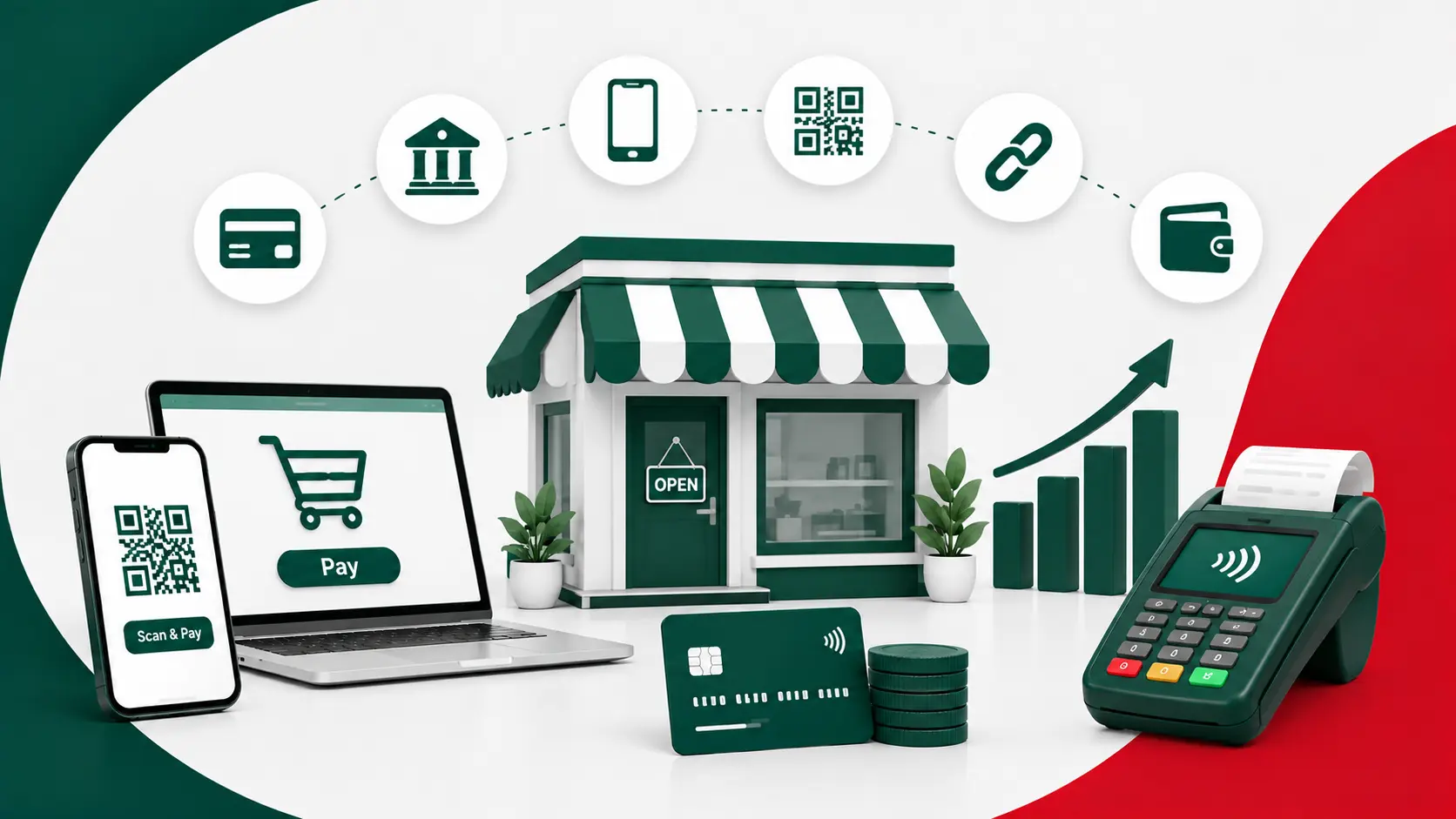
Small and medium-sized businesses need payment collection methods that match how customers actually buy. A local retailer, consultancy firm, online seller, restaurant, or service company may receive money through several channels every day. Choosing the right business payment solutions can make collection easier for customers and reduce manual work for staff.
There is no single payment method that suits every SME. Cost, transaction volume, customer preferences, settlement time, security, reporting, and business type all affect the decision. Businesses can also review the work of a payment gateway service provider in Bangladesh when comparing providers and deciding which services fit their payment requirements.
For many SMEs, using two or three connected collection channels can work better than relying on one option. Payment links, QR codes, cards, bank transfers, and online checkout each serve a different purpose. The right mix gives customers more ways to pay without creating unnecessary complexity for the business.
What Should SMEs Consider Before Choosing a Payment Method?
The first step is to look at the business rather than the payment technology.
Consider:
- Average transaction value
- Monthly transaction volume
- Customer location
- Online or offline sales
- Business-to-business or business-to-consumer sales
- Need for payment links
- Need for QR payments
- Card acceptance requirements
- International customer payments
- Settlement preferences
- Reporting requirements
For example, a small clothing store with a physical outlet may receive most payments through QR codes and cards. An online fashion business may need website checkout and payment links. A consulting company may collect fees mainly through invoices and direct payment requests.
A method that works well for one SME may create unnecessary costs or extra work for another.
1. Online Payment Gateway
An online payment gateway is useful for SMEs that sell through websites, applications, social channels, or digital ordering systems.
A gateway connects the customer's payment activity with the merchant's payment process. Depending on the provider and setup, customers may be able to use cards, bank-based payments, mobile wallets, or other supported channels.
Businesses searching for an online payment gateway in Bangladesh should check the available payment channels, transaction fees, settlement process, security controls, customer support, and integration options before signing up.
Best suited for:
- E-commerce stores
- Online service providers
- Education businesses
- Subscription businesses
- Digital platforms
- Businesses accepting remote payments
A gateway becomes particularly useful when transaction volume increases and the business needs a more organised way to record online payments.
2. Payment Links
Payment links are a practical option for SMEs that do not need a full website checkout.
A business can create a payment request and share it with a customer through email, messaging apps, social media, SMS, or an invoice.
For example, a graphic designer completes a project worth Tk 25,000. Instead of asking the client to visit a bank or manually send account information, the business can share a payment link.
This can reduce the number of steps between receiving an invoice and making a payment.
Payment links work well for:
- Freelancers
- Consultants
- Agencies
- Home-based businesses
- Social commerce sellers
- Professional service firms
They can also be useful for businesses that receive payments from customers who are not physically present.
3. QR Code Payments
QR payments are well suited to businesses with physical customer interactions.
A customer scans the merchant's QR code, selects a supported payment method, confirms the transaction, and receives payment confirmation.
For a small restaurant, retail shop, pharmacy, or service counter, QR payment can reduce dependence on cash handling.
The setup is also relatively simple compared with some traditional payment equipment.
QR payments can help with:
- Counter payments
- Restaurant bills
- Retail purchases
- Service charges
- Event payments
- Small-value transactions
A business should still provide clear payment instructions and verify transaction status before treating an order as paid.
4. POS and Card Payments
Point-of-sale terminals remain useful for businesses where customers pay in person using debit or credit cards.
Retail stores, restaurants, hotels, clinics, and larger service outlets may benefit from card acceptance at the counter.
POS payments can be particularly useful when the average purchase value is higher or when customers expect to pay by card.
For an SME, the decision should include terminal costs, transaction charges, settlement timing, maintenance, and the expected number of card transactions.
A store processing only a small number of card payments each month may have different requirements from a busy outlet processing hundreds of card purchases each week.
5. Bank Transfers
Bank transfers remain relevant for many SMEs, especially in B2B transactions.
A customer can transfer money directly to the company's bank account based on an invoice or payment instruction.
This approach may suit larger invoices where customers already have an established banking relationship with the business.
The main issue is payment verification. Staff may need to check bank statements or transaction references before confirming an order.
For businesses handling many daily transfers, manual checking can consume considerable staff time.
6. Mobile Wallets and Other Digital Channels
Customers may prefer mobile-based payment channels for everyday purchases. Supporting the payment options that customers already use can reduce friction during checkout.
When reviewing online payment methods in Bangladesh, SMEs should compare actual customer demand rather than adding every available channel.
For example, a business serving students may see more mobile transactions than a B2B engineering company. A retail shop in a busy commercial area may need QR and card payments, while a professional services company may rely more on payment links and bank transfers.
Payment choice should follow customer behaviour.
What Is the Best Payment Method for an SME?
There is no universal winner. The best choice depends on the business model.
|
Business type |
Suitable payment methods |
|
E-commerce store |
Online gateway, payment links, QR |
|
Retail shop |
QR, cards, gateway |
|
Restaurant |
QR, cards, gateway |
|
Consultancy |
Payment links, bank transfer, gateway |
|
Freelancer |
Payment links, bank transfer |
|
Educational business |
Gateway, payment links, bank-based payments |
|
B2B supplier |
Bank transfer, payment links, gateway |
|
Social commerce seller |
Payment links, QR |
Many SMEs can benefit from combining methods instead of choosing just one.
How Much Can SMEs Save With Better Payment Collection?
The savings are not limited to transaction fees. Staff time also has a cost.
Consider an SME processing 1,500 customer payments each month. If employees spend an average of two minutes checking, recording, or confirming each payment manually, that represents about 50 staff hours per month.
If better payment records reduce that work by half, around 25 staff hours could potentially be redirected toward customer service, sales, stock management, or other business tasks.
This is an illustrative calculation rather than a guaranteed saving. Actual results depend on transaction volume, staff processes, payment channels, and software integration.
Security Should Be Part of the Decision
Payment collection involves financial information, so SMEs should examine security before choosing a provider.
Ask questions such as:
- How are transactions authenticated?
- How are payment records protected?
- How are suspicious transactions handled?
- What happens when a payment fails?
- How are refunds processed?
- Who can access merchant reports?
- What support is available during payment problems?
A business should also keep its own staff access controlled and avoid sharing payment credentials between employees.
What About International Customers?
SMEs that sell services or products outside Bangladesh may need additional payment capabilities.
An international payment gateway in Bangladesh can be relevant when a business expects payments from overseas customers. Before selecting such a service, check supported currencies, international card acceptance, settlement arrangements, fees, and applicable requirements.
A company selling only within Bangladesh may not need these features today. A business planning to serve overseas customers should consider them before selecting a long-term payment setup.
How to Compare Payment Providers
When comparing providers, create a simple checklist.
1. Payment coverage
Check which payment channels are supported and whether they match your customers.
2. Fees
Review transaction charges, setup costs, settlement charges, refund costs, and any other applicable fees.
3. Settlement
Understand when and how collected funds reach the business account.
4. Reporting
Look for transaction references, payment status, refunds, settlements, and downloadable records.
5. Integration
If you operate an e-commerce site, accounting system, ERP, or mobile application, check whether integration is available.
6. Support
Payment problems can affect sales. Check the provider's support channels and response process.
7. Business growth
Choose a service that can support your expected transaction volume and future sales channels.
Businesses comparing the best payment gateway Bangladesh options should judge the full service rather than looking only at the advertised transaction rate.
Why SMEs Should Avoid Depending on One Channel
Relying on a single payment method creates a point of failure.
If a customer cannot use that method, the business may lose the sale or need to ask the customer to complete a manual bank transfer.
A mixed payment setup gives customers alternatives. An online seller might accept website payments, payment links, and QR payments. A physical retailer could combine POS, QR, and online payment options.
The aim is not to create dozens of choices. It is to provide the channels that customers actually need.
Choosing a Practical Payment Mix
For most SMEs, the decision can start with three questions:
How do customers want to pay?
Review actual customer behaviour and sales records.
How does the business need to receive and track money?
Consider settlement, reporting, reconciliation, refunds, and accounting.
Where will the business sell next?
Consider websites, social commerce, additional outlets, remote customers, or overseas sales.
A payment gateway service provider in Bangladesh can be useful when an SME needs several digital payment functions under one service arrangement. The final choice should still be based on fees, payment coverage, security, reporting, support, and the company's operating model.
Final Thoughts
Payment collection is part of everyday business operations, so SMEs should choose methods that customers can use easily and staff can manage without excessive manual work.
Payment links are useful for remote billing. QR codes work well at physical locations. POS terminals suit card-based counter payments. Bank transfers remain practical for many B2B transactions. Online gateways are useful for businesses selling through websites and digital platforms.
For many SMEs, a combination of these methods can provide a better fit than relying on one channel. EPS Bangladesh offers payment services that businesses can review when assessing their collection requirements.
The best payment collection method is ultimately the one that matches customer behaviour, transaction volume, business costs, security needs, and the company's plans for growth.