
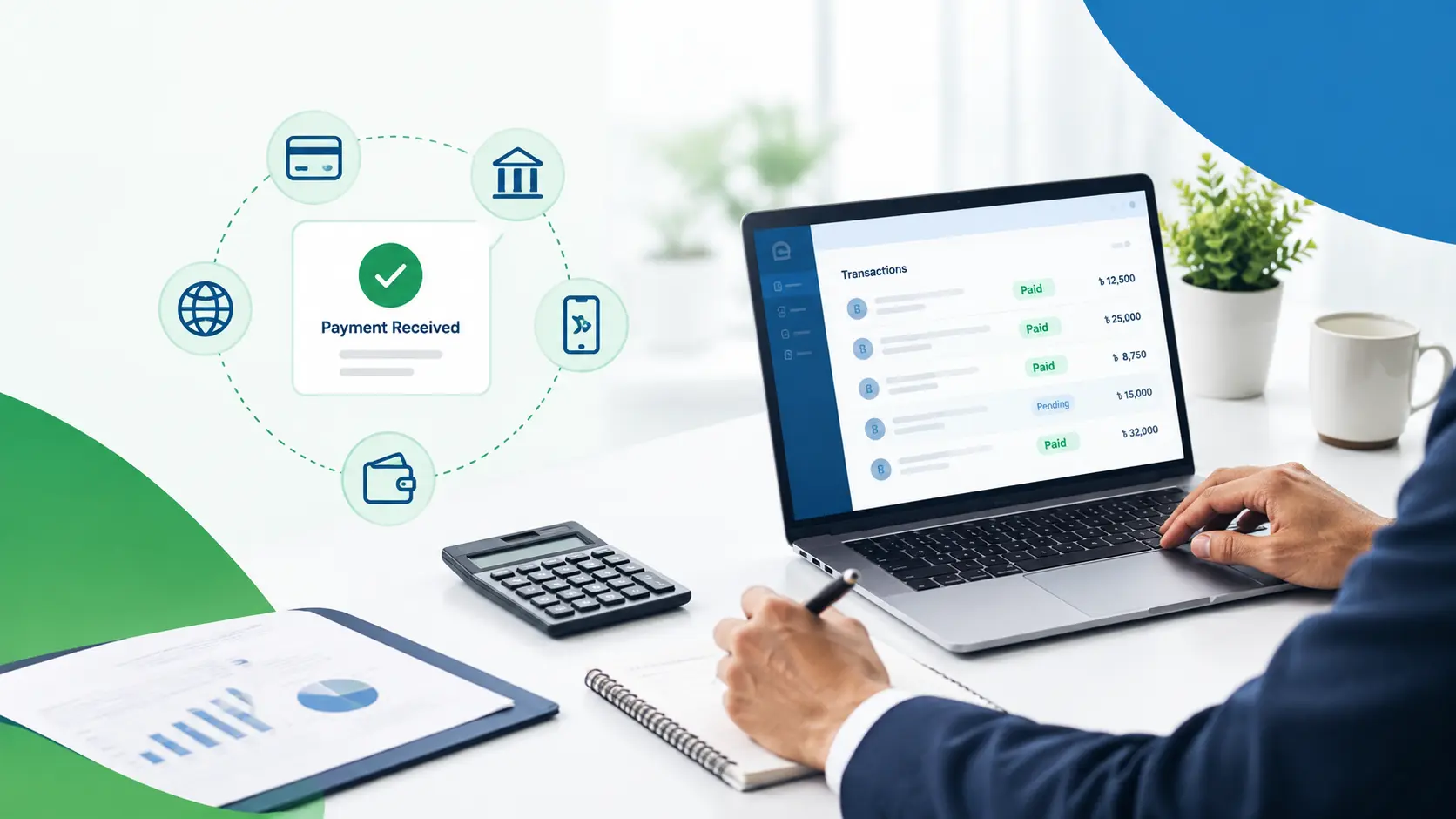
Consultants deal with many financial details throughout the month, from client invoices and project fees to refunds, recurring payments and business expenses. When payments are collected manually through cash or scattered bank transfers, keeping every transaction properly recorded can become difficult. Using an online payment gateway in Bangladesh gives consultants a clearer way to record client payments and match transactions with invoices.
A digital payment process also gives consultants a reliable transaction trail. Each payment can be connected with details such as the amount, date, payer and transaction status. Working with a payment gateway service provider in Bangladesh can help a consultancy maintain a more organized payment process while reducing the need for manual record updates.
For consulting firms that receive payments from several clients, a dedicated payment gateway solution for consultancy services in Bangladesh can make financial administration easier to manage. Instead of checking different payment channels separately, consultants can keep payment information in a more structured system and use it when preparing invoices, financial reports and client statements.
Why Financial Record-Keeping Matters for Consultants
Consulting businesses often operate differently from product-based companies. A consultant may charge by project, consultation session, milestone, retainer period or service package. This creates several payment dates and billing arrangements that need to be tracked carefully.
A missing payment entry can create problems later. A consultant may believe an invoice is unpaid when the client has already made the payment, or a payment may be recorded without being matched to the correct invoice.
Good financial records help answer basic business questions:
- Which clients have paid?
- Which invoices are still outstanding?
- How much revenue came from each project?
- When did a particular payment arrive?
- Which payments are recurring?
- How much money entered the business during a specific month?
- Are the amounts recorded in the accounting system correct?
Online payments can make these questions easier to answer because transactions leave a digital record that can be reviewed when needed.
1. Every Client Payment Creates a Digital Record
Cash payments often require manual entry into a spreadsheet, notebook or accounting system. This creates an extra step where errors can occur.
An online transaction normally contains information such as the payment amount, transaction date, payment status and transaction reference. Consultants can use these details when updating their financial records.
For example, suppose a consultant sends an invoice for BDT 50,000 for a website strategy project. Once the client pays online, the transaction record can be checked against the invoice. The consultant can then mark the invoice as paid and retain the transaction reference for future records.
This creates a simple connection:
Invoice → Payment → Transaction Reference → Accounting Record
That connection becomes useful when reviewing several months of business activity.
2. Easier Invoice and Payment Matching
Invoice matching is one of the areas where digital payments can save administrative time.
Consultants may have 20, 50 or even hundreds of transactions across different projects. Manually identifying which payment belongs to which invoice can take considerable time, especially when several clients pay similar amounts.
A digital payment record gives the consultant another reference point. The transaction ID, client information and payment amount can be compared with the invoice details.
For example:
|
Invoice |
Amount |
Payment Status |
Transaction Record |
|
INV-101 |
BDT 25,000 |
Paid |
Available |
|
INV-102 |
BDT 40,000 |
Pending |
Not received |
|
INV-103 |
BDT 60,000 |
Paid |
Available |
This type of record makes monthly reconciliation easier and gives the consultant a clearer view of outstanding invoices.
3. Better Cash Flow Tracking
Cash flow is closely connected to the timing of client payments. A consultant may have BDT 300,000 worth of invoices but only BDT 180,000 actually received during the month.
Online payment records help separate billed revenue from money that has actually been received.
This distinction matters when planning salaries, software subscriptions, office costs, contractor payments and other business expenses.
For example:
- January invoices: BDT 450,000
- January payments received: BDT 320,000
- Outstanding invoices: BDT 130,000
Instead of looking only at total invoices, the consultant can see the amount actually collected.
4. Easier Monthly Financial Reporting
Consultants often need monthly or quarterly reports to understand how their business is performing. These reports may include total income, unpaid invoices, project revenue and payment activity.
Having digital transaction records makes the information easier to collect.
A consultant can group payments by:
- Month
- Client
- Project
- Service
- Payment status
- Transaction amount
This can help create cleaner financial reports without relying entirely on handwritten notes or scattered payment confirmations.
5. Fewer Manual Data Entry Errors
Manual record-keeping creates several opportunities for mistakes.
A payment of BDT 35,000 could accidentally be entered as BDT 30,000. A transaction date could be entered incorrectly. A payment could also be recorded against the wrong client.
Digital payment records provide original transaction information that can be checked against accounting entries.
This does not remove the need for proper bookkeeping. Consultants should still review their records regularly. But having a digital transaction trail gives them better source information for that review.
6. Easier Expense and Revenue Reconciliation
Consultants need to compare money received with their invoices and business expenses. Reconciliation helps identify differences between expected and actual amounts.
For example, a consultant may have:
- Client payments: BDT 500,000
- Refunds: BDT 20,000
- Payment charges: BDT 8,000
- Net amount received: BDT 472,000
Keeping these details separate gives a more accurate picture of the business's financial position.
A clear transaction history can also help when an accountant reviews the business records.
7. Useful for Tax and Accounting Preparation
Proper financial records are useful when preparing tax documents and accounting reports. Consultants may need to review income from different clients across a financial year.
Instead of searching through emails, screenshots and bank messages, they can refer to organized payment records.
Bangladesh Bank's recent payment data shows how quickly digital payment activity is growing. Its FY2024–25 Annual Report states that interbank digital payment volume increased by 11.3% year over year, while transaction value increased by 4.9%.
Bangladesh Bank's data also shows that digital transaction volume reached 56% of total financial-system transactions by June 2024, up from 51% in December 2023.
For consultants, this wider shift toward digital transactions means maintaining accurate digital payment records is becoming increasingly relevant to day-to-day financial administration.
8. Multiple Payment Options Can Help Client Collections
Different clients may prefer different payment channels. Some may use cards, bank-based transfers or mobile financial services.
The availability of several online payment methods in Bangladesh can give consultants more ways to collect project fees without asking every client to follow the same payment process.
The important point is not simply accepting more payment types. The payment information should remain organized after the transaction is completed.
9. International Clients Need Better Payment Records
Consultants working with overseas clients have another layer of financial administration. They may receive payments in foreign currencies, work with clients across different countries and need to maintain records for each transaction.
An international payment gateway in Bangladesh can be relevant for businesses that need to accept payments from clients outside the country, subject to applicable banking, foreign-exchange and payment regulations.
For international consulting work, keeping records of the client, payment date, currency, amount and transaction reference can help maintain clearer financial documentation.
10. Choosing a Payment System for a Consulting Business
Consultants should look beyond the ability to simply accept a payment. The payment process should also support proper financial administration.
Before selecting a payment provider, consider:
- Available payment channels
- Transaction reporting
- Payment status information
- Transaction references
- Settlement information
- Refund handling
- Security measures
- Integration options
- Support for local and international clients
- Compatibility with existing accounting processes
The best payment gateway Bangladesh businesses choose will depend on their client base, payment volume, services and reporting requirements.
Final Thoughts
Financial record-keeping does not have to become a monthly struggle for consultants. When payment information is captured digitally, it becomes easier to match invoices, check received payments, monitor outstanding amounts and prepare financial reports.
Bangladesh Bank's payment-system data also reflects continued growth in digital transactions. During January–June 2025, BEFTN handled more than 184 million transactions, while NPSB handled more than 84 million transactions, according to Bangladesh Bank's payment-platform data.
For a consulting business, the practical benefit is clear: every client payment can become part of a more organized financial record instead of remaining as a separate confirmation, message or manual entry.
A good payment process should therefore support both collecting money and keeping track of it. When these two activities work together, consultants have a clearer view of their revenue, outstanding invoices and overall financial activity.